California mock orange
Philadelphus californicus
Description
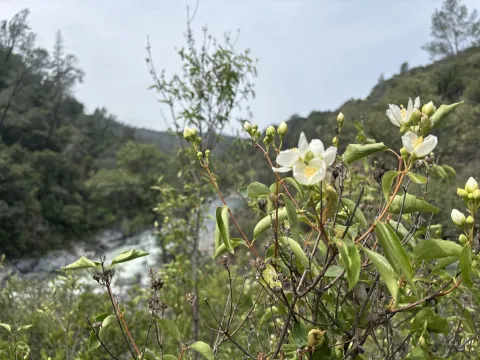
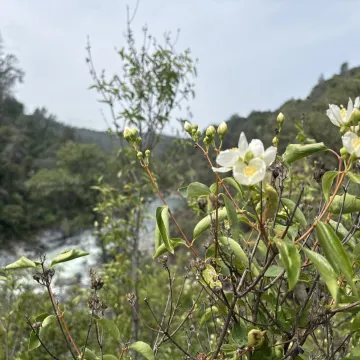
The California mock orange (Philadelphus californicus) is a perennial deciduous shrub belonging to the Hydrangeaceae family. It is highly valued in horticulture for its spectacular flowering period, during which the plant produces masses of white, fragrant blossoms that transform any landscape into a visually appealing environment.
The species originates from western North America, specifically regions in California. In its native habitat, it thrives in woodland environments and mountainous slopes. Due to its natural adaptation to diverse conditions, the plant has become a popular subject for cultivation in temperate climates, where it can be successfully integrated into various garden styles.
Botanically, the plant is characterized by a strong, upright growth habit, usually reaching heights between two and three meters. It features opposite, ovate leaves that provide a lush green backdrop for its white, four-petaled flowers. The root system is robust and fibrous, allowing the shrub to anchor well in various soil types and maintain health during fluctuating environmental conditions.
Successful cultivation requires a site with full sun or partial shade, paired with well-drained, nutrient-rich soil. Proper agricultural management involves regular hydration during the growing season and periodic fertilization to support dense foliage and heavy flowering. Annual pruning is essential; it should be performed immediately after the flowering season to maintain a compact shape and encourage vigorous new growth for the next year.
- Watering: consistent moisture, avoiding waterlogged soil.
- Fertilization: balanced NPK application in early spring.
- Pruning: remove old wood and shape the canopy annually.
- Pests: watch for aphids or spider mites during hot, dry spells.
- Diseases: mildew prevention through proper air circulation.
In terms of practical usage, the California mock orange is widely used for ornamental purposes in public parks and private gardens. It serves exceptionally well as a foundational plant for flowering hedges or as a striking specimen plant. Its environmental resilience makes it a reliable choice for urban landscaping projects where low maintenance and high visual impact are equally prioritized.
Photo gallery