Philadelphus floridus
Philadelphus floridus
Description
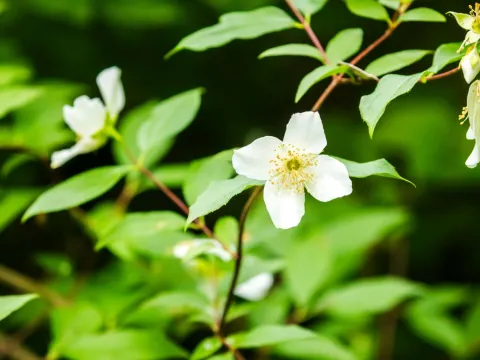
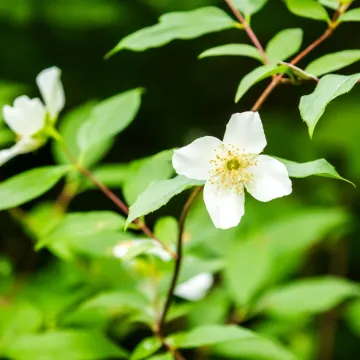
Philadelphus floridus, commonly known as a species of mock orange, is a deciduous ornamental shrub belonging to the Hydrangeaceae family. It is widely recognized in horticulture for its dense growth habit and profuse display of fragrant, white, star-shaped flowers that appear in late spring or early summer.
Native to North America, this species has been integrated into various temperate gardens worldwide. Its natural habitat is characterized by moist, well-draining soil in woodland edges, which dictates its preferred planting conditions in domestic landscapes where it is used for aesthetic screening and seasonal interest.
Botanically, the plant features slender, upright to arching stems and ovate leaves with serrated margins. The inflorescences are racemes, carrying numerous flowers that emit a sweet scent reminiscent of orange blossoms. This biological trait makes it a highly desirable plant for attracting pollinators to garden ecosystems.
Successful cultivation requires a location with full sun to partial shade and fertile, loamy soil. While it is hardy, the shrub performs best when moisture levels are consistent. Over-fertilization should be avoided, as it may result in excessive vegetative growth at the expense of flower production, leading to a loss of the characteristic floral density.
Maintenance focuses on post-flowering pruning, where old, woody canes are removed to encourage new, vigorous growth. Common pests include aphids and mites, which can be managed with horticultural soaps. Diseases like powdery mildew may occur in humid, stagnant conditions, making air circulation and proper spacing essential for long-term plant health.
Photo gallery