Phlebodium areolatum
Phlebodium areolatum
Description
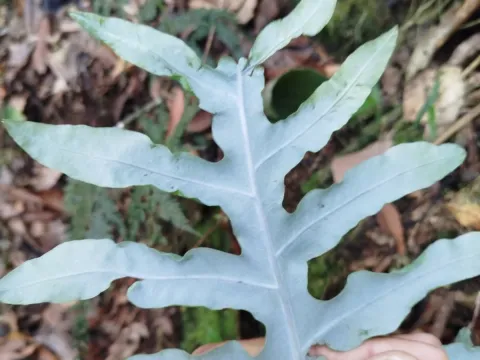
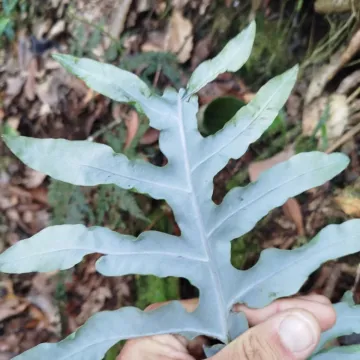
Phlebodium areolatum is a perennial epiphytic fern belonging to the Polypodiaceae family. This species is highly valued in horticulture for its distinctively lobed fronds, which often display a unique bluish-green or silvery hue. The plant is botanically distinguished by its creeping rhizome, which is densely covered in golden-brown scales and acts as an organ for moisture storage, enabling the plant to survive temporary environmental fluctuations.
Originating from the tropical and subtropical regions of the Americas, the natural range of this fern stretches from Florida through Central and South America. In its native habitat, it functions as an epiphyte within tree canopies or as a lithophyte on rocky surfaces. This adaptability has allowed the species to be successfully integrated into indoor cultivation systems, greenhouses, and botanical garden displays globally.
The botanical structure of the fern includes large, deeply pinnatifid fronds that typically reach significant dimensions under optimal conditions. On the undersides of these leaves, sori are arranged in two rows, a key diagnostic feature for identification. The fern's growth habit is relatively slow, but with proper substrate management, it can develop into a dense, multi-stemmed colony that serves as an excellent ornamental specimen.
Cultivation requirements necessitate a highly porous, well-draining substrate comprised of peat, orchid bark, and sphagnum moss. Success in commercial production depends on maintaining consistent temperatures between 18 and 24 degrees Celsius and high atmospheric humidity levels, ideally exceeding 60 percent. Watering should be conducted carefully, focusing on keeping the root system moist but avoiding water stagnation, which is the primary cause of physiological stress.
Phlebodium areolatum is occasionally susceptible to common greenhouse pests such as scale insects, spider mites, and mealybugs, which thrive in low-ventilation environments. Preventive management strategies include regular air circulation and careful inspection of new plant material. Disease prevention focuses largely on avoiding overwatering, which predisposes the rhizome to fungal rot, and maintaining a consistent nutrient schedule using specialized fern fertilizers at diluted rates.
Photo gallery