Alpine timothy
Phleum alpinum
Description
Alpine timothy (Phleum alpinum) is a perennial grass species belonging to the Poaceae family. In the context of forage production, it is recognized as a hardy, high-altitude plant capable of thriving in environments where conventional pasture species would fail to establish or produce significant biomass.
The native range of this species extends throughout the mountainous regions and arctic zones of the Northern Hemisphere, including the Alps, the Rockies, and the Arctic tundra. Its evolutionary adaptation to these harsh environments makes it a primary component of native alpine meadows and a subject of interest for high-altitude revegetation projects.
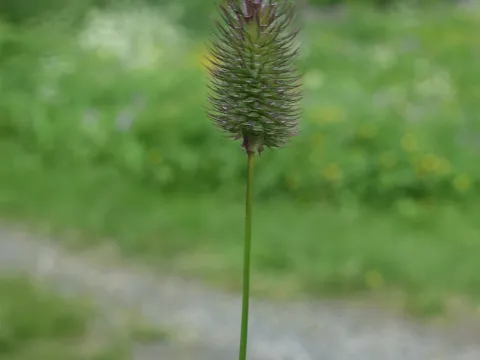
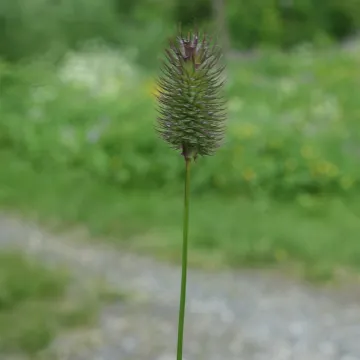
Botanically, it forms dense, tufted clumps that typically reach heights between 15 and 40 cm. The plant is characterized by its distinct, compact, purple-tinted or cylindrical spikes. It possesses a robust root system that provides stability in mountainous soils and allows the plant to access nutrients effectively in thin, rocky substrates.
Alpine timothy requires specific conditions to thrive, preferring moist, well-drained soils and cool climates. It is highly resistant to low temperatures, snow cover, and frost-heaving. In agricultural practice, it is recommended to ensure that the site has moderate organic matter content, as the plant responds well to natural fertilization even in cold mountain settings.
The agricultural and ecological value of Alpine timothy lies in its ability to support livestock grazing and soil conservation. Main areas of use include:
- Provision of quality forage for alpine grazing systems and livestock production.
- Erosion control on mountain slopes and construction site restoration.
- Integration into specialized seed mixtures for sub-alpine land reclamation.
When cultivated or managed in native stands, the plant may be susceptible to typical grass pathogens such as rust fungi and leaf spot diseases. Insect pests, including aphids and various grass-feeding larvae, can affect the vigor of the stand, though the species is generally resilient and adapted to the pest pressures of its native high-elevation habitats.
Photo gallery