Sand cat's-tail
Phleum arenarium
Description
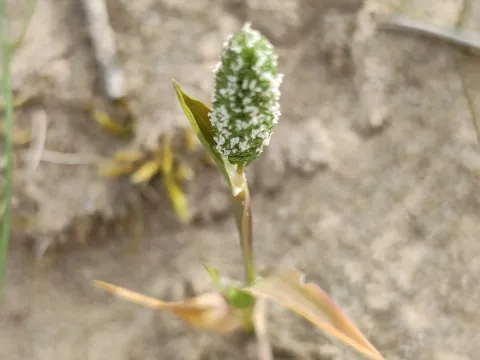
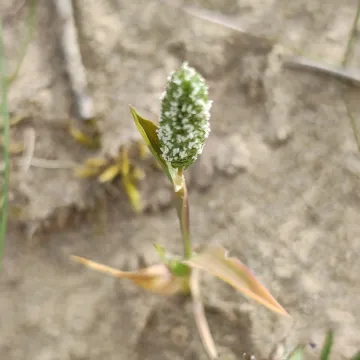
Sand cat's-tail (Phleum arenarium) is an annual grass species belonging to the Poaceae family. Unlike its more common perennial relatives, this plant is specifically adapted to sandy, nutrient-poor soils, making it a specialized choice for challenging environmental conditions where typical forage crops might fail.
The plant originates from the coastal regions of Europe and the Mediterranean. Its native habitat includes sand dunes and arid environments, which have shaped its biological resilience. Today, its distribution is largely focused on areas where sand stabilization is required, as the species naturally thrives in sandy, unstable substrates.
Botanically, it is characterized by its compact size and a distinct, cylindrical spike-like inflorescence. Its root system is relatively shallow but highly efficient at extracting limited nutrients from sandy soils, allowing it to complete its reproductive life cycle before the onset of extreme summer heat or drought conditions.
Regarding cultivation requirements, the species performs best on well-drained, sandy soils with low clay content. It is intolerant of waterlogging and heavy soil compaction. Standard agronomic practice involves shallow sowing in early spring to utilize seasonal soil moisture, with minimal requirements for additional fertilizer to prevent competition from more aggressive weed species.
The primary agricultural and environmental application of sand cat's-tail is in erosion control and the revegetation of degraded sandy landscapes. While it is not a primary forage grass, it plays a vital role in soil conservation programs.
- Excellent for dune stabilization;
- High tolerance for saline-influenced soils;
- Short life cycle suited for arid regions.
Photo gallery