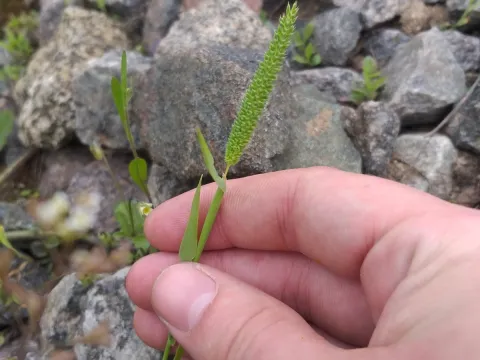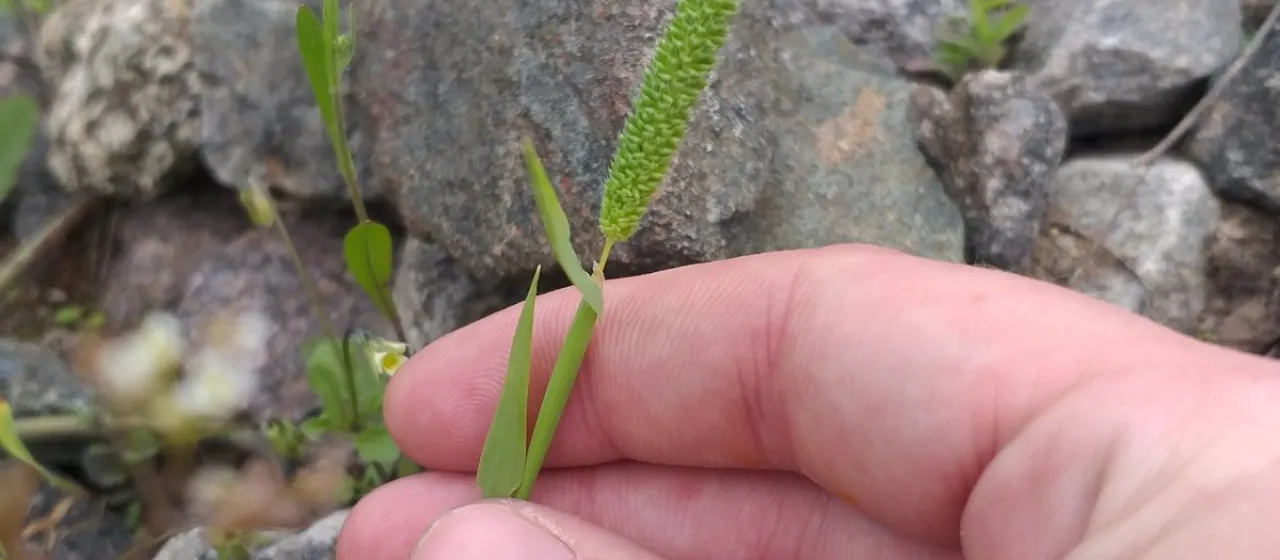
Description
Paniculate timothy (scientific name: Phleum paniculatum) is an annual grass species that belongs to the Poaceae family. While often overshadowed by its perennial relative, the common timothy, this species plays a notable role in grassland ecosystems and provides valuable information about the resilience of Mediterranean-type vegetation.
The native distribution area of this species includes the Mediterranean basin, parts of the Caucasus, and Western Asia. It typically thrives in regions with temperate climates, preferring open, sun-exposed habitats such as dry meadows, rocky slopes, and disturbed agricultural land. It demonstrates high tolerance to moderate drought conditions during its growing season.
From a botanical perspective, the plant is characterized by its distinct panicle-like inflorescence, which is a dense, cylindrical spike-like structure. It reaches heights of up to 60 cm and exhibits typical grass architecture with narrow, rough leaf blades. Its root system is fibrous and effective at extracting moisture from the upper soil layers during the spring growth phase.
Regarding agrotechnical requirements, paniculate timothy is considered a low-input crop. It thrives best in well-drained, fertile soils with neutral pH levels. While it does not require intense irrigation, early-season moisture is critical for achieving optimal biomass production. Minimal tillage is often sufficient for establishing stands in suitable soil environments.
In agricultural use, it is valued primarily as a secondary component of hay and natural grazing meadows. It provides early-season fodder when other species might still be dormant. Like other grasses, it can be susceptible to common rust diseases and aphid infestations, which necessitate standard crop monitoring and, if necessary, integrated pest management practices.
Photo gallery