Description
Phlogacanthus curviflorus is an evergreen shrub belonging to the Acanthaceae family, known for its significant medicinal value and distinctive floral morphology. It is a perennial plant that thrives in specific tropical niches, where it is often harvested for its pharmacological properties. In agricultural contexts, it is increasingly studied for sustainable cultivation within its native range.
The origin of Phlogacanthus curviflorus is traced back to the humid tropical forests of Southeast Asia, including parts of India and Myanmar. The plant has adapted to ecosystems with high annual rainfall and consistent temperatures. Because of these evolutionary origins, it requires a microclimate that mimics the forest floor environment, making it a challenging but rewarding crop for specialized nursery production.
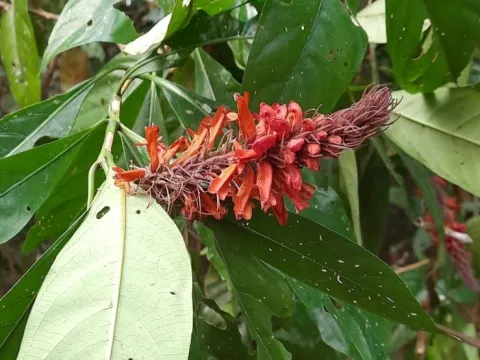
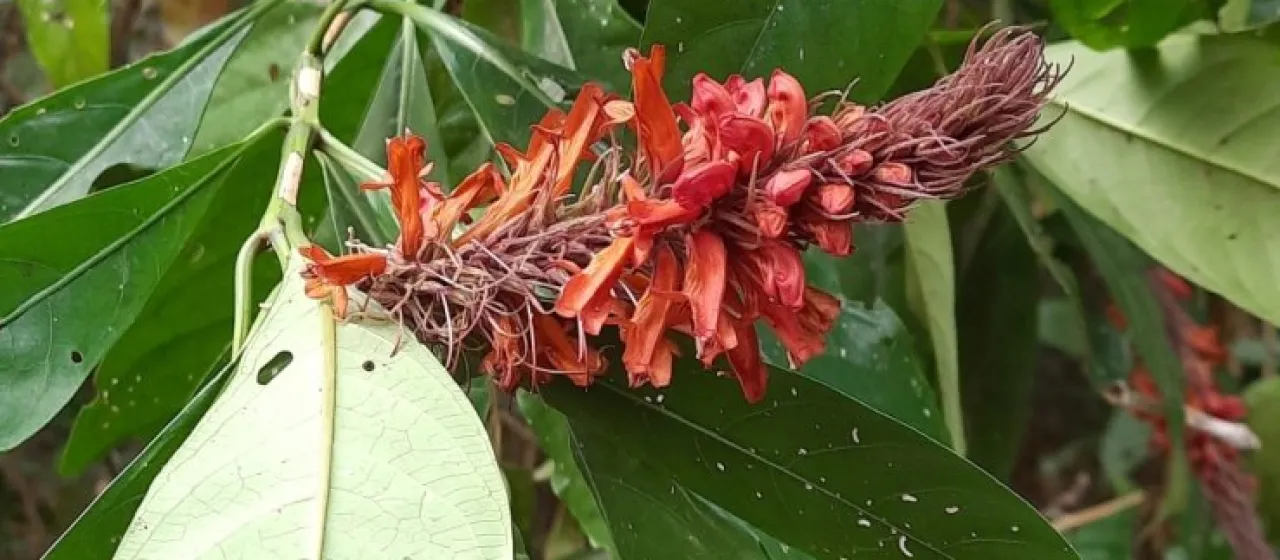
The botanical structure of the plant features opposite, lanceolate leaves and inflorescences consisting of tubular, curved flowers. These flowers are the defining characteristic of the species. The shrub’s root system is robust, designed to absorb nutrients quickly from organic-rich topsoil. Proper growth habit depends on sufficient light availability, though direct exposure to midday sun can be detrimental to leaf health.
From an agronomical perspective, the cultivation of Phlogacanthus curviflorus requires meticulous management of soil moisture and nutrient cycling. It prefers soil that is slightly acidic, rich in humus, and well-drained. Given its tropical nature, the plant is intolerant to frost and requires greenhouse protection in non-tropical climates. Regular pruning is recommended to maintain a manageable bush shape and encourage the development of flowering shoots.
Economic and medicinal utilization of this plant is prominent in traditional wellness systems, where it is used for its anti-inflammatory and antiseptic effects. Growers should monitor for common pests such as aphids and mites, which can proliferate in dry conditions. Ensuring proper air circulation and implementing an integrated pest management strategy are essential for maintaining crop health and maximizing the yield of useful botanical material.
Photo gallery