Phlojodicarpus sibiricus
Phlojodicarpus sibiricus
Description
Phlojodicarpus sibiricus is a perennial herbaceous plant belonging to the Apiaceae (Umbelliferae) family. It is a highly valued species in traditional medicine, recognized for its specific chemical composition including coumarins and essential oils. As an agricultural crop, it represents a niche but highly specialized plant with significant potential for medicinal cultivation.
The native range of the species spans Eastern Siberia, Mongolia, and parts of China. The plant has evolved to thrive in harsh, continental environments, characterized by extreme temperature fluctuations and limited precipitation. It is typically found on rocky slopes and steppes, indicating a natural resilience that allows it to survive in soil conditions where other crops would fail.
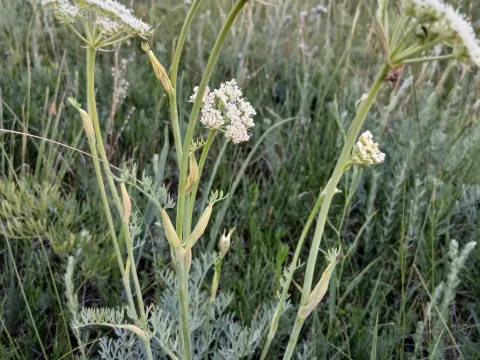
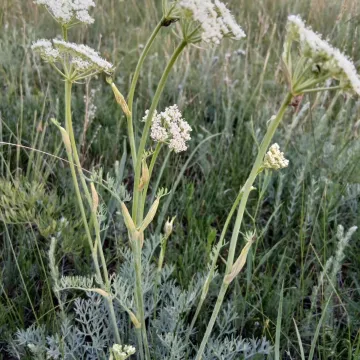
Botanically, Phlojodicarpus sibiricus features a deep taproot and a rosette of pinnate leaves. The flowering stem usually reaches a height of 30 to 60 cm, bearing compound umbels with small yellowish flowers. Its slow growth rate is a distinct feature of the species, as it prioritizes root development in the initial years of growth before entering a full reproductive stage.
Agronomic requirements prioritize well-drained, sandy, or stony soil substrates. Waterlogging must be strictly avoided to prevent root rot, which is the most common cause of crop failure. For successful cultivation, seeds require a period of cold stratification to break dormancy. Once established, the plant is remarkably drought-tolerant and requires minimal irrigation, though effective weed control in the first year is essential.
The primary economic use of this plant is in the pharmaceutical industry. The roots are harvested for their therapeutic properties, which are used to produce agents that support vascular health and provide anti-inflammatory benefits. Typical plant protection concerns include fungal leaf spots and infestations by insects common to the Apiaceae family, necessitating proper crop rotation and monitoring of plant health throughout the growing season.
- Extreme winter hardiness and drought tolerance.
- Preference for well-drained, rocky, or sandy soils.
- Long maturation cycle requiring patient cultivation management.
- High value of bioactive compounds in the root system.
Photo gallery