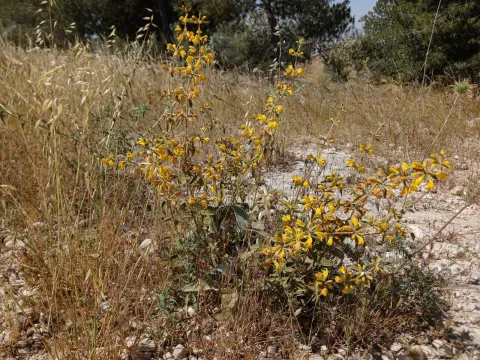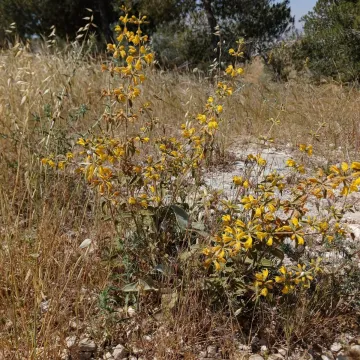
Phlomis brachyodon
Phlomis brachyodon
Description
Phlomis brachyodon is a perennial herbaceous plant belonging to the Lamiaceae family. Often referred to within the context of wild-harvested or specialty medicinal crops, this species is gaining attention for its resilience and ability to thrive in challenging environments where traditional cereal or vegetable crops often fail.
The native distribution of this species spans the Western Asian regions and the Eastern Mediterranean. It is naturally adapted to arid and semi-arid conditions, typically inhabiting rocky slopes and well-drained open grasslands. This historical range provides a clear indication of its requirements for high light intensity and thermal stability.
Botanically, the plant is characterized by its sturdy, erect stems and distinct woolly texture, which serves as a physiological adaptation to arid climates. The flowers are arranged in dense whorls, attracting various pollinators. The root system is deep and efficient, allowing the plant to sustain itself during extended periods of drought through soil moisture extraction.
Agronomic requirements for Phlomis brachyodon include well-drained, nutrient-poor, or alkaline soils. Waterlogging is the primary cause of plant failure, making site selection with adequate slope or drainage capacity essential. The crop requires minimal chemical intervention, as it is naturally adapted to survive with very low nutrient inputs, making it suitable for sustainable or low-input farming systems.
In terms of economic utility, the plant is primarily harvested for its chemical compounds, which include flavonoids and various essential oils used in phytotherapy. Beyond medicine, it serves as a robust honey-producing crop, significantly benefiting local biodiversity. While generally pest-resistant, growers must be vigilant against fungal infections that may occur if the crop is planted in dense, poorly ventilated conditions.
Photo gallery