Phlomis lychnitis
Phlomis lychnitis
Description
Phlomis lychnitis, commonly known as the lampwick plant, is a perennial herb belonging to the Lamiaceae family. It is distinctively recognized for its woolly, white-tomentose leaves and stems that provide a silvery appearance, making it a highly attractive specimen in both botanical collections and ornamental gardening.
Originating from the Mediterranean region, specifically spanning parts of Southern Europe and the Iberian Peninsula, the plant is naturally adapted to rugged, rocky habitats. Its historical distribution is tied to limestone outcrops and sun-drenched, poor-soil grasslands, which dictates its preference for well-drained, nutrient-sparse environments in cultivation.
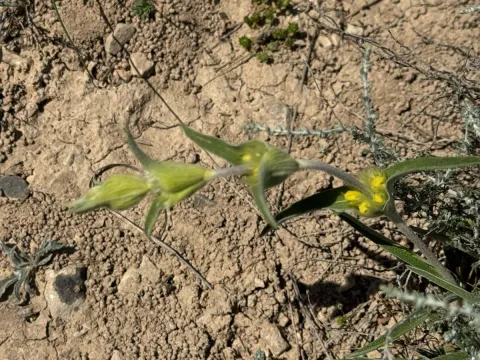
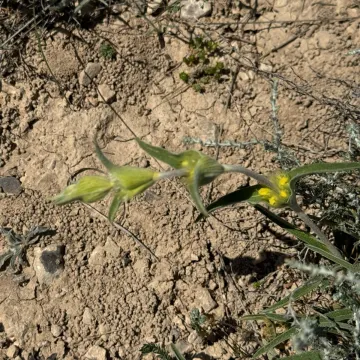
Botanically, this species is a subshrub that grows to a modest height. The leaves are narrow and linear, effectively minimizing water loss through transpiration. During the late spring and early summer, it produces dense whorls of bright yellow flowers. These blooms are structural and architectural, remaining attractive even after the peak flowering period has passed.
Regarding cultivation requirements, Phlomis lychnitis demands full sun exposure and gritty, alkaline to neutral soil with perfect drainage. It is exceptionally drought-tolerant once established and does not require frequent irrigation. Cultural management involves cutting back the spent flower stems after the season to promote healthy basal foliage growth and maintain a compact habit.
The primary use of this species is in landscaping, particularly in xeriscaping or rock garden design. It is highly valued for its ability to thrive in challenging, dry conditions where other ornamentals might fail. While generally robust, the plant is susceptible to root rot in waterlogged conditions and may occasionally suffer from powdery mildew if air circulation is insufficient within the planting bed.
Photo gallery