Phlomis samia
Phlomis samia
Description
Phlomis samia is a perennial herbaceous plant belonging to the Lamiaceae family. It is recognized for its unique, sculptural appearance and its ability to thrive in harsh environments, making it a valuable addition to ornamental landscapes that favor low-maintenance and high-visual-impact species.
The native range of this species encompasses the Eastern Mediterranean, with significant populations found on the island of Samos and similar regions. Its evolutionary adaptation to rocky habitats and mountainous scrublands has equipped it with robust physiological mechanisms for handling intense solar radiation and seasonal drought.
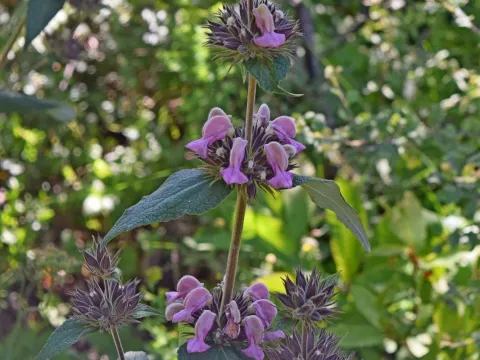
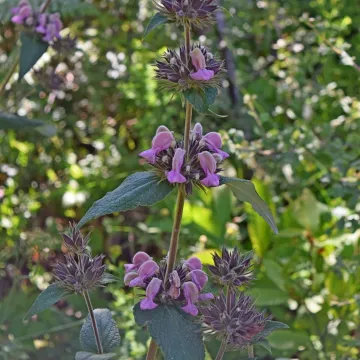
Botanically, the plant is characterized by its broad, often tomentose (hairy) leaves that provide a distinct texture. The flowering stems exhibit whorled inflorescences that carry tubular, distinctively colored blooms. These floral displays are not only architecturally pleasing but also serve as a vital nectar source for local pollinating insect populations.
Cultivation requirements for Phlomis samia center on excellent soil drainage and exposure to full sun. The plant does not perform well in heavy or waterlogged soils, which can induce root rot. It is highly drought-tolerant once established, requiring only minimal supplemental irrigation and occasional pruning of spent flower heads to maintain a tidy habit.
In terms of хозяйственное (utility) use, Phlomis samia is primarily utilized in xeriscaping, rock gardens, and mediterranean-themed planting schemes. It is largely resistant to common pests and diseases, though standard precautions should be taken to ensure air circulation around the foliage to prevent fungal issues in humid climates.
Photo gallery