Description
Phlomoides laciniata is a perennial herbaceous plant belonging to the Lamiaceae family. Often referred to in botanical literature by its distinct morphology, this species is gaining attention in sustainable agriculture as a resilient crop capable of thriving in arid and semi-arid environments where water availability is a limiting factor for traditional farming.
Originating from the steppe and semi-desert regions of Central and Middle Asia, this plant has evolved to withstand severe thermal fluctuations and prolonged droughts. Its natural distribution range demonstrates its preference for well-drained, sunny slopes and high-intensity sunlight, which are crucial for the development of its secondary metabolites.
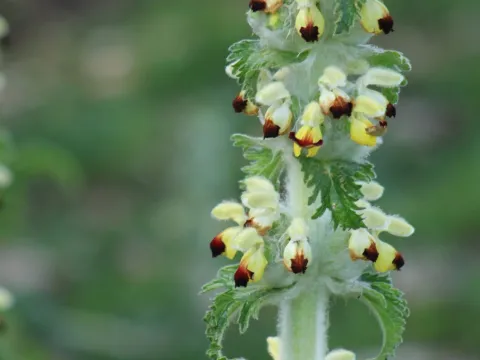
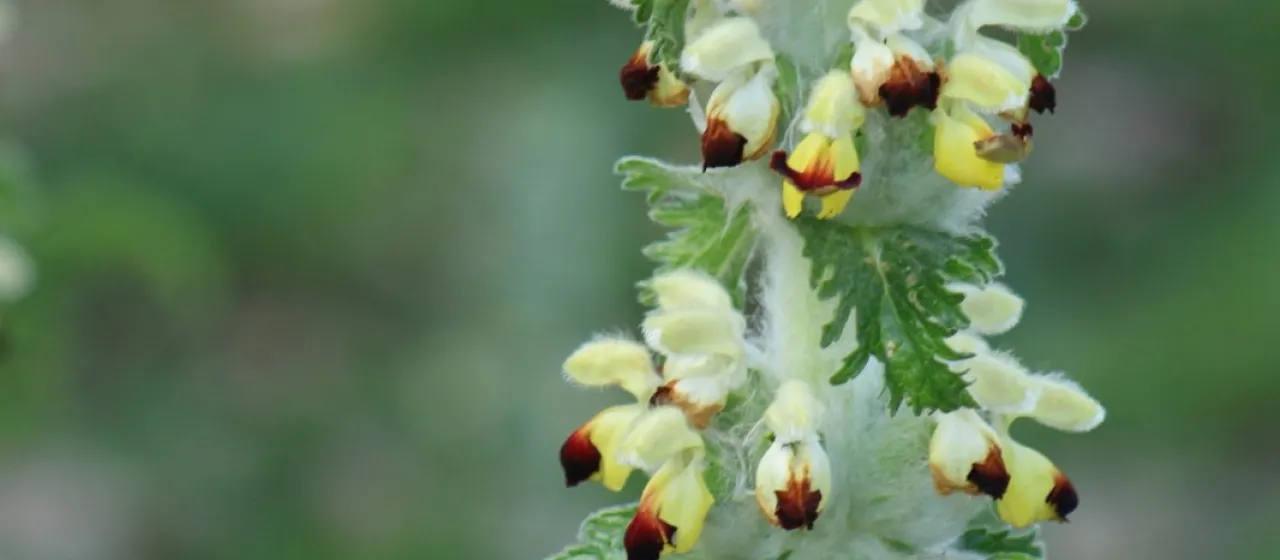
Botanically, the plant is characterized by a deep taproot system, which serves as a primary survival mechanism for water acquisition. Its foliage is notably laciniate (dissected or jagged), an evolutionary adaptation to reduce transpiration rates. The flowering period results in tall, spike-like structures consisting of dense whorls, which are highly efficient at attracting pollinators.
Agronomic requirements emphasize the necessity of soil porosity. Phlomoides laciniata thrives in sandy or light loamy soils with alkaline or neutral pH levels. The crop requires minimal irrigation once established, but intensive management is necessary during the germination phase to ensure healthy stand density. Drainage is the most critical factor, as root rot is a common issue in waterlogged conditions.
Agricultural and commercial applications of the crop are diverse and currently undergoing research:
- Extraction of bioactive compounds for the pharmaceutical and cosmetic industries.
- Utilization as an excellent honey plant for apiculture in arid agricultural zones.
- Land reclamation and soil stabilization on slopes prone to wind and water erosion.
Typical pest and disease threats include aphids, which may colonize the stems during peak growth stages, and soil-borne fungal pathogens that affect the root system under improper irrigation regimes. Implementing crop rotation and maintaining optimal soil aeration are the primary strategies to mitigate these risks and ensure sustainable yields.
Photo gallery