Phlox caespitosa
Phlox caespitosa
Description
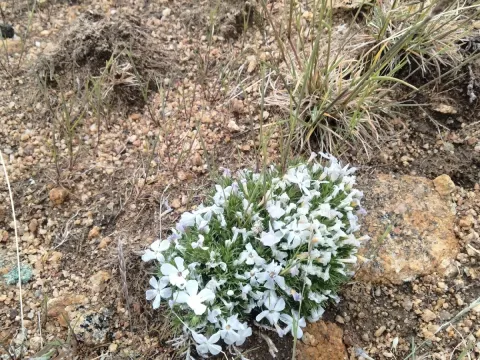
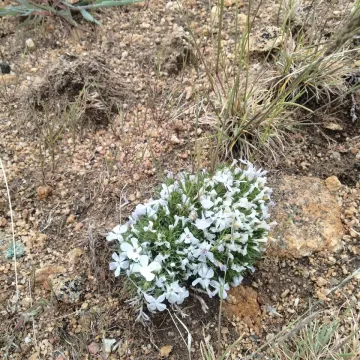
Phlox caespitosa, commonly known as tufted phlox, is a perennial herbaceous plant belonging to the Polemoniaceae family. It is widely recognized for its compact, mat-forming growth habit, which makes it an excellent candidate for alpine gardens and specialized landscaping projects requiring low-maintenance ground covers.
This species originates from the mountainous regions of Western North America. It is naturally adapted to rugged, rocky environments where soil fertility is low, and drainage is exceptional. These native habitat characteristics are crucial for understanding the plant's physiological needs when integrated into artificial cultivation.
The botany of the plant is defined by its densely branched, semi-woody stems and small, needle-like leaves arranged in tight rosettes. The flowers appear in the spring, showcasing a delicate color palette from white to deep lavender. The plant’s root system is adapted to penetrate crevices, reflecting its evolution in alpine scree slopes.
Agrotechnical requirements for Phlox caespitosa center on providing perfect drainage and intense sunlight. The soil must be gritty and well-aerated to prevent root asphyxiation, which is the most common cause of failure in domestic gardens. Avoiding high-nitrogen fertilizers is essential, as the plant thrives in lean soils rather than nutrient-dense agricultural substrates.
- Ensure full exposure to sunlight.
- Use a mineral-rich, porous soil mix.
- Prevent water stagnation around the crown.
- Divide mature clumps every 3-4 years to maintain vigor.
The primary horticultural use of this species is in rockeries and xeriscaping. Regarding plant health, it is susceptible to powdery mildew during humid, stagnant conditions and root rot if soil moisture exceeds tolerance levels. Key pests include spider mites and nematodes, which can be managed through cultural practices and standard protective sprays when necessary.
Photo gallery