Downy phlox
Phlox pilosa
Description
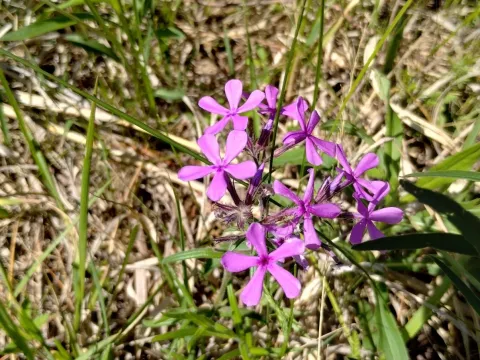
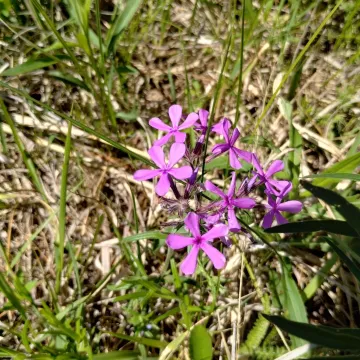
Downy phlox (Phlox pilosa) is a perennial herbaceous plant belonging to the Polemoniaceae family. Native to North America, this species is naturally found in prairies, open woodlands, and dry meadows. It is highly regarded in horticulture for its resilience and the vibrant, fragrant floral displays it produces during the late spring and early summer seasons.
The botanical characteristics of this plant include stems that are covered in fine, soft hairs, which gives the species its common name. The leaves are generally lanceolate and arranged alternately along the stem. The inflorescence consists of clusters of star-shaped flowers that range in color from pale pink to deep rose and white, making it a popular choice for attracting butterflies and bees to the garden.
Cultivation requirements for Downy phlox involve well-draining soil and a sunny location to ensure optimal growth. While it tolerates a variety of soil types, it performs best in sandy or rocky soils that mimic its natural prairie habitat. It is a drought-tolerant species once established, but it benefits from consistent moisture during the initial stages of planting and in extreme heat.
In terms of agricultural and landscape use, Downy phlox is an excellent candidate for native plant gardens, prairie restoration projects, and rock gardens. Its ability to thrive in poor soils and minimal maintenance needs make it a sustainable choice for modern landscape design, where environmental impact and resource efficiency are primary considerations.
Disease and pest management for Downy phlox requires attention to fungal issues, particularly powdery mildew, which can develop in areas with high humidity and poor air circulation. Other potential threats include spider mites and nematodes. Maintaining appropriate spacing between plants and avoiding overhead watering are key practices to ensure the plant remains healthy and resistant to these common problems.
Photo gallery