Phoenicaulis cheiranthoides
Phoenicaulis cheiranthoides
Description
Phoenicaulis cheiranthoides is a perennial herb belonging to the mustard family, Brassicaceae. Often referred to in botanical circles for its unique morphology, it is not a widely cultivated agricultural crop in the traditional sense, but it holds ecological significance and interest for specialized horticulture and botanical research.
The plant is native to the arid and semi-arid regions of Western North America, particularly mountainous and desert terrains. It is well-adapted to surviving in harsh, gravelly, and rocky soils where water retention is low and temperature fluctuations between day and night are significant.
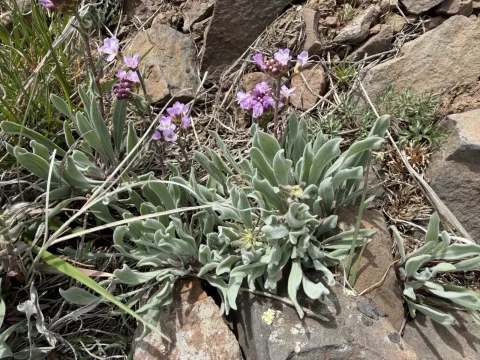
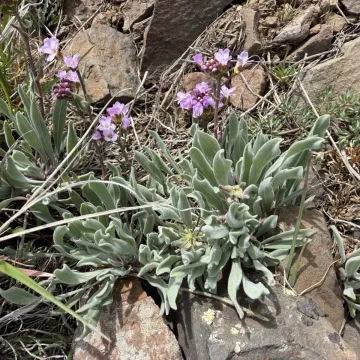
Botanically, it is characterized by a basal rosette of silvery, pubescent leaves that minimize water loss via transpiration. Its flowering stems produce clusters of pale pink to deep purple flowers early in the spring season. The plant's structure allows it to withstand high winds and provide essential early-season forage for local pollinators in its native environment.
For cultivation, Phoenicaulis cheiranthoides requires specific conditions to thrive:
- Full sun exposure is essential for proper development.
- Well-drained, porous soil is critical to prevent root rot.
- Minimal fertilization, as it is adapted to nutrient-poor substrates.
- Deep watering only during prolonged drought periods.
Its primary use is within rock gardens and xeriscaping projects due to its aesthetic appeal and drought tolerance. From an agronomic perspective, it serves as an excellent model for studying xerophytic adaptation. While it is generally resistant to many pests, it can be susceptible to common cruciferous pests and fungal diseases if cultivated in humid environments with poor soil aeration.
Photo gallery