
Photinia villosa
Photinia villosa
Description
Photinia villosa is a deciduous shrub or small tree belonging to the Rosaceae family. It is widely recognized in horticultural circles for its aesthetic appeal, particularly its brilliant autumn foliage and clusters of bright red fruit that persist through the winter season.
The species originates from East Asia, encompassing regions in China, Japan, and Korea. Within its native habitat, it typically thrives in wooded areas and mountainous slopes. Due to its hardiness and ornamental value, it has been introduced globally for use in botanical gardens and domestic landscaping projects.
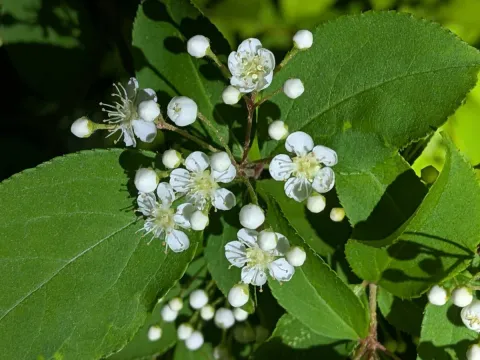
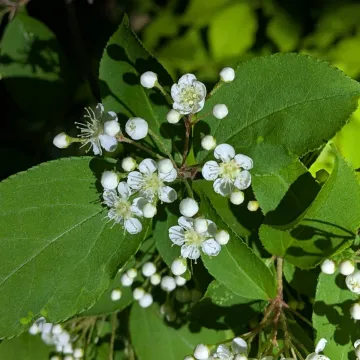
Botanically, the plant is characterized by its ovate to obovate leaves which are typically pubescent on the underside. It produces white flowers in terminal corymbs during late spring. The plant's structure allows it to reach a height of approximately three to five meters, making it a versatile option for various garden configurations.
To cultivate Photinia villosa successfully, it is essential to provide well-drained, fertile soil with a slightly acidic to neutral pH. While it is relatively adaptable, it performs best in full sun to partial shade. Routine horticultural practices include mulching to retain moisture and annual pruning to encourage dense growth and structural integrity.
In terms of practical usage, this shrub is primarily utilized for ornamental purposes. It serves as an excellent candidate for specimen planting, border hedging, or as part of mixed shrubbery beds. Gardeners should remain vigilant against common plant health issues, including leaf spot diseases and aphids, by implementing integrated pest management strategies.
Photo gallery