Tropical reed
Phragmites karka
Description
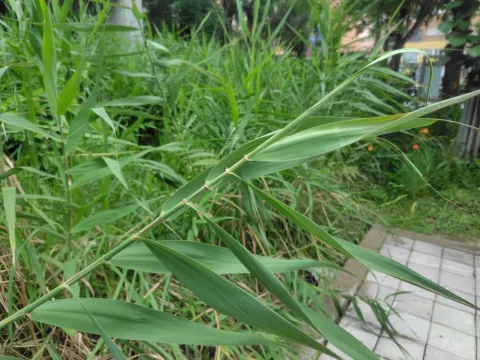
Phragmites karka, commonly known as tropical reed, is a robust perennial grass belonging to the Poaceae family. It is recognized for its high growth rate and ability to thrive in waterlogged environments. The plant features thick, hollow stems and a vigorous rhizome system that allows it to dominate wetland habitats and regenerate quickly after harvesting.
Originating from tropical and subtropical regions of Asia, Africa, and Australia, this species is increasingly cultivated as an industrial crop. Its range extends across areas where abundant moisture is available throughout the growing season. As an agricultural commodity, it is favored for its resilience and ability to produce large amounts of organic material on marginal lands.
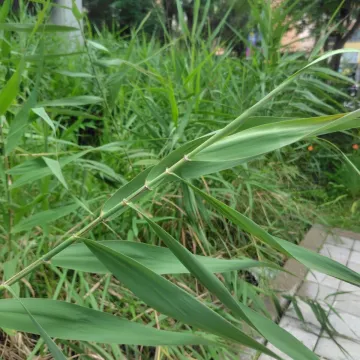
Botanically, Phragmites karka is distinguished by its tall, sturdy stature and large terminal panicles. The leaves are broad and rigid, providing the plant with protection against strong winds and environmental stressors. The plant's architecture allows for efficient photosynthesis in high-temperature environments, leading to superior dry matter accumulation compared to other wetland grasses.
Agricultural requirements focus on maintaining high water levels and nutrient-rich soil substrates. While the plant is inherently hardy, yield optimization depends on appropriate nitrogen management and density control during the establishment phase. Proper irrigation management is critical, as the crop thrives in saturated conditions where traditional tillage is impossible.
The industrial applications of this reed are vast, ranging from paper pulp production and construction materials to biofuels. Beyond commercial gain, Phragmites karka is an essential tool in phytoremediation, widely used in constructed wetlands to treat wastewater by absorbing heavy metals and excess nutrients. Its role in sustainable land management is becoming increasingly significant.
Pathogen threats include various fungal infections, such as rust and leaf spot, which typically occur under poor aeration conditions. Common pests include stem-boring larvae that can compromise the structural integrity of the plant. Agronomic management involves integrated pest control strategies, including crop rotation patterns and the regular removal of senescent biomass to reduce infection risk.
Photo gallery