Phyla scaberrima
Phyla scaberrima
Description
Phyla scaberrima, also commonly referred to as Lippia dulcis, is a perennial herb belonging to the Verbenaceae family. This species is highly valued in modern agriculture for its intense sweetness, attributed to the presence of hernandulcin, a non-caloric natural sweetener found within its leaves.
The plant originates from the tropical regions of Mexico and Central America. Because of its tropical heritage, it thrives in warm, humid conditions and requires consistent temperatures to maintain optimal growth. In colder climates, it is typically cultivated as an annual crop or grown indoors in greenhouses where environmental parameters can be strictly controlled.
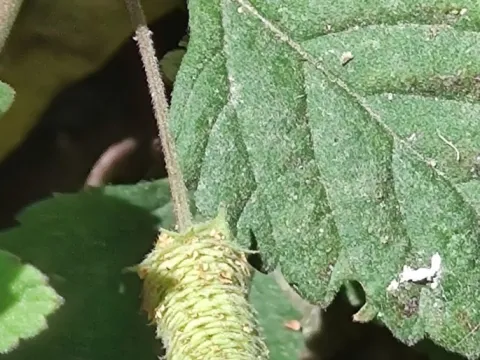
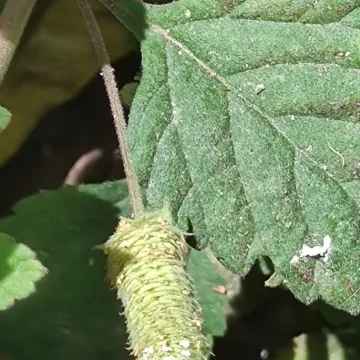
Botanically, it is a prostrate herb characterized by creeping stems that root at the nodes. The leaves are small, opposite, and possess a distinctively rough, scabrous texture, from which the name "scaberrima" derives. Its small, whitish inflorescences appear throughout the growing season, providing both ornamental value and nectar for pollinators.
The agronomic management of this culture involves planting in well-drained, nutrient-rich soil with a neutral pH. The plant requires significant sunlight to develop its sweet properties but may benefit from partial shade during intense heat. Consistent soil moisture is necessary; however, waterlogging must be avoided to prevent root system deterioration.
Industrial and commercial applications include:
- The production of natural sugar substitutes for the food and beverage industry.
- Pharmaceutical manufacturing of herbal medicinal syrups and cough remedies.
- Use as a high-value aromatic plant for specialty teas.
- Implementation in landscape design for ground cover in frost-free regions.
Typical pests affecting this culture include spider mites and aphids, which frequently target the soft foliage in greenhouse environments. To manage these, integrated pest management practices should be employed, focusing on biological controls. Diseases such as powdery mildew or root rot can be mitigated by ensuring adequate air circulation and proper irrigation scheduling.
Photo gallery