Phylica nitida
Phylica nitida
Description
Phylica nitida is an evergreen shrub or small tree belonging to the Rhamnaceae family. Native to the Mascarene Islands, including Reunion and Mauritius, this plant is recognized for its distinctive foliage and its evolutionary adaptation to oceanic island environments, which makes it a unique subject for botanical study and specialized cultivation.
The plant originates from the humid slopes and coastal regions of its native archipelago. Its native range implies a preference for a stable, warm climate with high atmospheric humidity. These environmental factors must be replicated in a controlled environment to ensure successful growth outside its natural habitat.
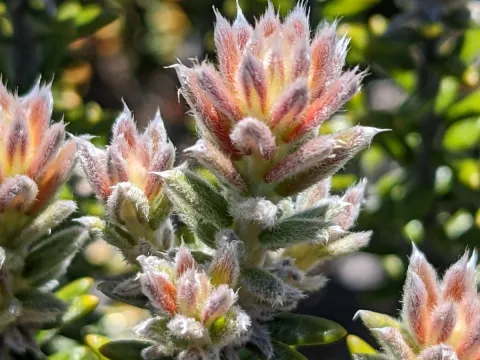
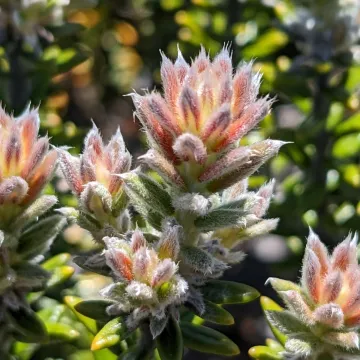
Botanically, Phylica nitida is characterized by its narrow, leathery leaves which exhibit a notable glossy appearance, justifying the specific epithet 'nitida'. Its flowers are small and arranged in dense clusters, which provide significant structural interest. The plant is known for its relatively slow growth rate, requiring consistent care and patience from cultivators.
In terms of agronomy, the species demands well-drained, acidic to neutral soil. The key to successful cultivation lies in balancing irrigation; the root system is highly sensitive to waterlogging, which often leads to fungal pathogens. Protection from frost and harsh, drying winds is essential, as the plant is not cold-hardy and requires greenhouse or indoor shelter in temperate zones.
The primary economic use of this plant is within the ornamental horticulture and floral industry. The long-lasting, attractive branches are highly prized as fillers in professional bouquets, known for their excellent vase life. Additionally, it serves as a desirable specimen in conservatories and botanical gardens due to its architectural form.
- Glossy foliage with high aesthetic appeal.
- Excellent durability for professional floristry.
- Slow and steady growth habit.
- Requirement for well-aerated, moisture-retentive soil.
Photo gallery