
Cape Myrtle
Phylica paniculata
Description
Phylica paniculata, commonly known as Cape Myrtle, is an evergreen shrub belonging to the Rhamnaceae family. This species is highly valued in the agricultural sector, specifically within the ornamental plant industry, for its unique, textured foliage and long-lasting inflorescences, making it a premium choice for cut-flower production.
The plant originates from the Cape region of South Africa. Its natural habitat is characterized by well-drained, acidic, and nutrient-poor soils. In modern agricultural practice, this plant is cultivated in regions mimicking Mediterranean climates or within controlled greenhouse environments where soil conditions can be precisely managed.
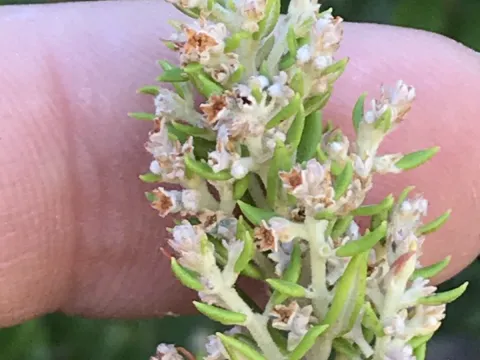
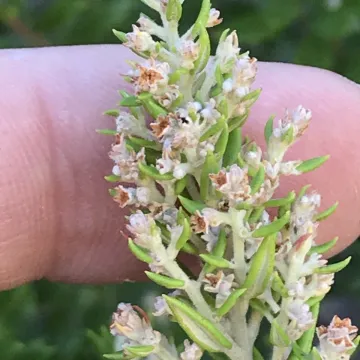
Botanically, Phylica paniculata is distinguished by its dense, needle-like leaves and small flowers arranged in panicles. The plant displays significant morphological adaptations to wind and coastal environments. It is a sturdy shrub that can reach significant heights, providing a reliable source of woody stems for professional bouquet arrangements.
Agricultural requirements for successful cultivation focus on drainage and light. It requires a sunny, open location and thrives in sandy, acidic soils. Over-watering is the primary cause of crop failure, as the root system is susceptible to fungal rot in anaerobic conditions. Minimal nutrient input is usually required, as the plant is well-adapted to poorer soils.
The main use of this crop is in the global floral trade, where it serves as a robust filler or decorative element. Regarding health management, common pests include spider mites and mealybugs, particularly in greenhouse settings with low air circulation. Maintaining proper ventilation and preventing high humidity levels are essential practices to ensure a healthy and profitable harvest.
Photo gallery