Phyllanthus debilis
Phyllanthus debilis
Description
Phyllanthus debilis is an annual herbaceous plant belonging to the Phyllanthaceae family. Within the agricultural sector, it is primarily recognized as a specialized medicinal crop, highly valued for its secondary metabolites which are utilized in both traditional medical systems and modern pharmaceutical manufacturing.
The plant originates from the tropical regions of Asia, specifically endemic to parts of India and Sri Lanka. It typically grows in environments characterized by high humidity and warm temperatures, often flourishing in shaded or semi-shaded areas of tropical landscapes, which dictates its optimal cultivation range.
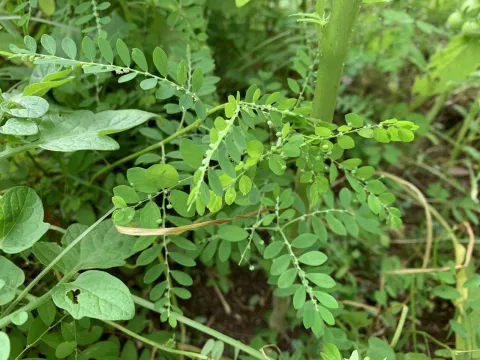
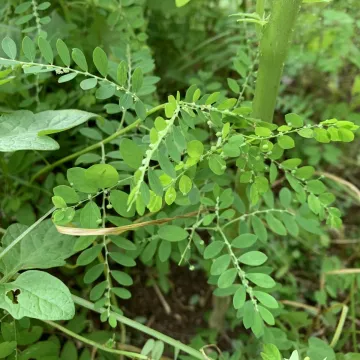
Botanically, the plant features a slender, branching stem with distinctively arranged leaves that mimic pinnate foliage. Its reproductive system involves small, inconspicuous flowers located in the leaf axils, followed by the development of tiny, smooth capsules that contain the plant's seeds, necessitating careful harvesting techniques.
Climate requirements for successful cultivation center on high temperatures and consistent moisture levels. The soil must be loose, nutrient-rich, and well-draining to prevent root rot. Agronomical management includes frequent weeding and monitoring for potential pests like aphids or spider mites, which can thrive in the same humid conditions favored by the crop.
The хозяйственное (economic) utility of this crop encompasses several sectors:
- extraction of hepatoprotective compounds;
- formulation of immune-boosting dietary supplements;
- production of raw medicinal extracts for antioxidant properties.
Photo gallery