
Phyllanthus fraternus
Phyllanthus fraternus
Description
Phyllanthus fraternus is an annual herbaceous plant belonging to the family Phyllanthaceae. Often confused with other species of the same genus, this plant is recognized primarily for its significant therapeutic value, which has led to its systematic cultivation in various tropical regions globally.
The origin of Phyllanthus fraternus traces back to the tropical regions of the Americas. Over time, it has established a wide distribution range, thriving particularly well in South Asia and India. It is highly adaptable and can grow in various environments, from open fields to managed agricultural plots, provided the climate remains consistently warm.
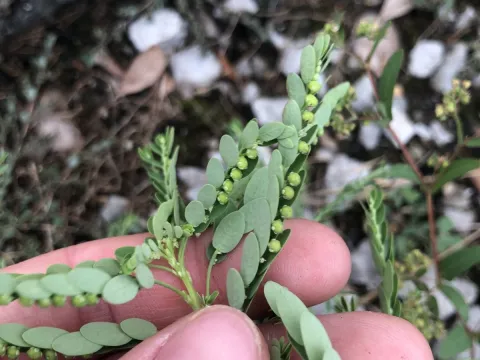
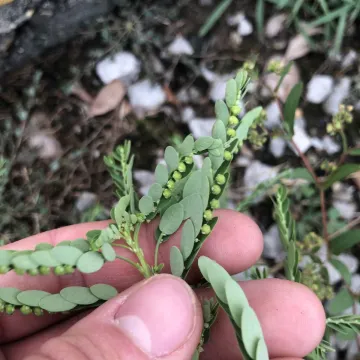
Botanically, the plant is characterized by a slender, branched stem reaching heights of 30 to 50 cm. Its leaves are small, arranged in an alternate pattern, giving the branches a pinnate appearance. The flowers are minuscule, greenish-yellow, and located on the underside of the leaves, which is a key diagnostic feature for identification.
Cultivation requires specific environmental conditions, including a tropical climate with high humidity and significant sun exposure. The soil should be fertile, well-draining, and slightly acidic or neutral. Agrotechnical management involves careful water regulation, as excessive moisture can lead to root rot, while prolonged drought can significantly stunt the plant's growth.
The industrial and economic importance of this crop is concentrated in the pharmaceutical sector. Key applications include:
- Extraction of bioactive compounds for liver health support.
- Use in the development of antiviral drugs.
- Formulation of herbal supplements intended for renal health.
Common agricultural challenges include pests such as aphids and spider mites, which can cause significant damage to foliage. Farmers often implement integrated pest management strategies to keep the crop healthy without the use of harsh synthetic pesticides, ensuring that the harvested material maintains its high medicinal quality standards.
Photo gallery