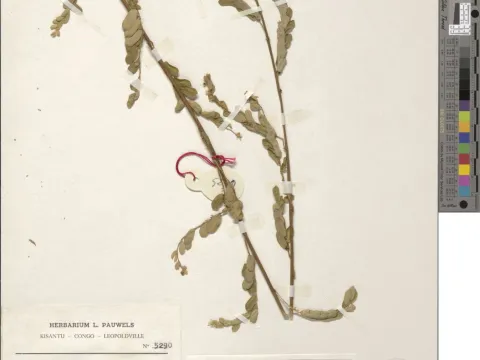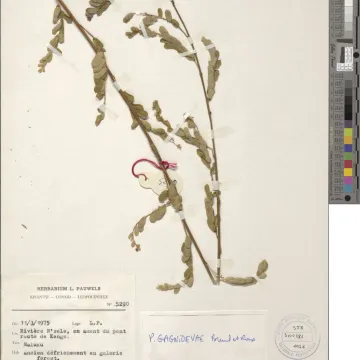
Phyllanthus gagnioevae
Phyllanthus gagnioevae
Description
Phyllanthus gagnioevae is a distinguished species belonging to the Phyllanthaceae family, a group of plants noted for their diverse chemical profiles and ecological versatility. This botanical classification highlights its biological distinctiveness, separating it from the wider Euphorbia complex, which is critical for agricultural and scientific identification.
Originating from tropical ecosystems, this species thrives in regions characterized by high humidity and moderate solar intensity. Its native distribution spans areas that provide the consistent thermal conditions required for continuous vegetative growth, making it a specialized plant that requires precise environmental control when grown outside of its natural habitat.
The botanical structure of Phyllanthus gagnioevae is defined by its phyllomorphic habit, where the foliage displays a unique arrangement on the stems, often mimicking compound leaves. This structural adaptation serves to optimize light absorption while minimizing water loss, a key trait for survival in its endemic environment where competitive light conditions are common.
Successful cultivation depends on rigorous agronomic standards, particularly regarding substrate quality. The plant demands a well-draining, humus-rich soil composition with slightly acidic properties to ensure optimal nutrient uptake. In professional settings, greenhouse environments are utilized to maintain the stability of temperature and moisture levels, which are the primary limiting factors for the plant's health.
Regarding its utility, the species is primarily valued as a pharmacological resource. The secondary metabolites present in its leaves and stems are studied for their potential applications in modern medicine, particularly for their antioxidant and anti-inflammatory properties. Ongoing research into the standardized cultivation of this plant aims to enhance yield and consistency for industrial processing.
- Maintenance of consistent ambient humidity levels.
- Strategic application of micronutrients for growth stimulation.
- Effective pest management, specifically targeting aphid populations.
- Implementation of drip irrigation to prevent excessive soil saturation.
Photo gallery