Phyllanthus grandifolius
Phyllanthus grandifolius
Description
Phyllanthus grandifolius is a prominent species within the Phyllanthaceae family, known for its distinctive large leaves and shrub-like growth habit. Unlike many smaller species in the genus, this plant develops a sturdy, woody framework, making it a significant botanical subject in tropical agricultural and ornamental research.
The native habitat of this species encompasses the tropical regions of Central and South America. It thrives in humid, shaded or semi-shaded environments, often found in tropical forests and along forest edges. Due to its adaptation to warm, wet climates, it requires specific environmental conditions to reach its full development in cultivation.
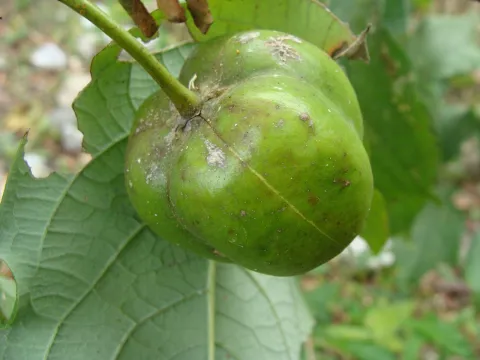
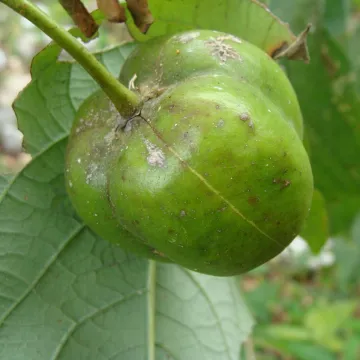
Botanically, the plant is characterized by its alternate, simple leaves that appear pinnate, and its small, inconspicuous flowers located in the leaf axils. The fruit is a dehiscent capsule, which is a common trait among members of this genus. The root system is generally fibrous and requires a consistent supply of nutrients from the soil to support its rapid leaf production.
Agricultural success with Phyllanthus grandifolius depends on maintaining high ambient temperatures and consistent soil moisture. The ideal substrate is a well-draining, nutrient-rich loam with a slightly acidic pH. Regular irrigation is crucial, though water must not pool at the base of the plant to prevent root rot, and adequate spacing is necessary to ensure proper airflow.
Uses of this plant range from ornamental landscape design to research into its potential chemical properties for traditional herbal applications. Common pests affecting this crop include mealybugs and spider mites, which can be managed through integrated pest management. Fungal leaf spots may occur if environmental humidity is too high without adequate ventilation.
- Family: Phyllanthaceae
- Habit: Shrub or small tree
- Origin: Tropical America
- Soil Preference: Well-drained, fertile
- Maintenance: High humidity, warm climate
Photo gallery