
Phyllanthus nummulariaefolius
Phyllanthus nummulariaefolius
Description
Phyllanthus nummulariaefolius (Phyllanthus nummulariaefolius) is a perennial herbaceous plant or small semi-shrub belonging to the Phyllanthaceae family. This family was formerly grouped within the Euphorbiaceae, but botanical research has distinguished it into a separate taxon due to specific characteristics of its reproductive organs and plant anatomy.
The native range of this species covers tropical areas of Africa and Madagascar. Historically, it is found in shaded forest environments and humid habitats, which defines its ecological preferences. Nowadays, the plant is successfully cultivated in tropical zones and temperate regions where it is grown in greenhouse settings or as an ornamental houseplant.
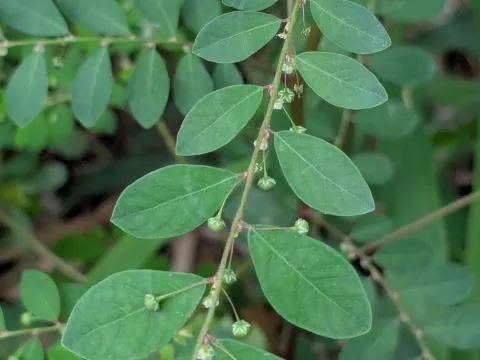
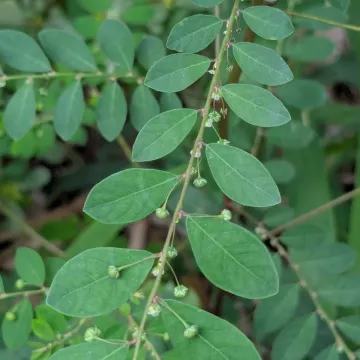
Botanically, the plant is characterized by small, coin-like rounded leaves arranged along slender, often drooping stems. The flowers are minuscule and bloom in the leaf axils, which is a classic feature of the Phyllanthus genus. The root system is generally shallow and fibrous, requiring consistent access to moisture and nutrients to maintain healthy vegetative growth.
Cultivation requirements involve maintaining temperatures between 20°C and 28°C, along with high atmospheric humidity. The plant thrives in well-draining, nutrient-rich soil that is slightly acidic. Excessive sunlight should be avoided to prevent leaf scorch, making it an excellent candidate for semi-shaded garden patches or indoor decorative containers.
The primary economic and functional use of this culture is ornamental landscaping and phytodesign. In agronomic practice, managing the plant involves preventing water stagnation to avoid root rot and monitoring for common greenhouse pests such as mites and scale insects. With proper management, it serves as a robust ground cover or trailing decorative element.
- Climate: Tropical, warm
- Moisture: High, steady
- Soil type: Loamy, well-draining
- Light exposure: Partial shade
- Maintenance: Moderate pruning
Photo gallery