Phyllanthus pulcher
Phyllanthus pulcher
Description
Phyllanthus pulcher is a perennial evergreen shrub belonging to the Phyllanthaceae family. This species is recognized for its significant ornamental value and potential medicinal applications. In an agricultural and horticultural context, it is studied for its unique growth patterns and phytochemical profile that distinguishes it from other common tropical shrubs.
The native distribution of Phyllanthus pulcher is concentrated in the humid tropical regions of Southeast Asia. It thrives in forest understories, where it is sheltered from intense sunlight and benefits from consistent moisture levels. Commercially, its cultivation is largely confined to controlled greenhouse environments that can replicate these specific tropical conditions.
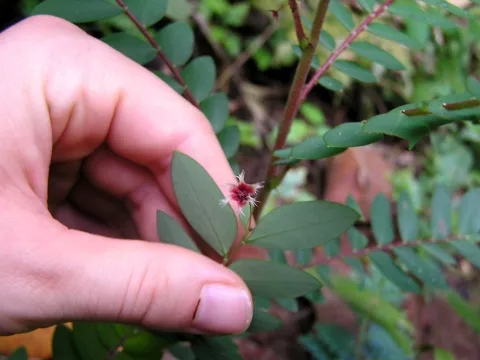
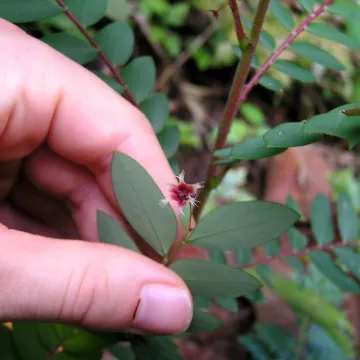
Botanically, the plant is characterized by its elegant, feathery appearance. The leaves are arranged in a distichous pattern along slender, spreading branches, which often leads to confusion with various fern species. The inflorescences are typically small and inconspicuous, followed by small, round capsules that contain the seeds necessary for natural propagation.
Successful cultivation requires a well-draining, nutrient-rich, acidic soil medium. The plant demands a high level of ambient humidity and consistent watering to prevent leaf drop. While it is relatively hardy in warm climates, it is extremely sensitive to frost and cold snaps, requiring protection whenever temperatures drop below 15°C, making it unsuitable for open-field farming in temperate zones.
The primary economic use of Phyllanthus pulcher revolves around its pharmacological properties, as extracts from the plant are known to contain bioactive compounds useful in traditional medicine. Beyond its medicinal utility, it is highly valued by greenhouse managers and landscape architects for its aesthetic appeal, often serving as a focal point in indoor tropical displays.
- Prefers filtered or indirect sunlight for optimal growth.
- Needs regular pruning to maintain a bushy, attractive shape.
- Susceptible to spider mites if air humidity is too low.
- Propagates well through semi-hardwood stem cuttings.
Photo gallery