Phyllanthus rotundifolius
Phyllanthus rotundifolius
Description
Phyllanthus rotundifolius is an annual herbaceous plant belonging to the Phyllanthaceae family. Within the agricultural sector, this plant is recognized for its pharmacological potential and its presence in arid ecosystems. As a crop, it is gaining interest due to its resilience to harsh environmental conditions and its secondary metabolites, which are highly valued in various therapeutic applications.
The origin of Phyllanthus rotundifolius is linked to the tropical and arid regions of Asia and Africa. It is naturally adapted to sandy soils and open landscapes, where it thrives under intense sunlight. Its native range extends across parts of the Indian subcontinent and African arid belts, where it has evolved to maintain high metabolic activity despite limited water availability and significant heat stress.
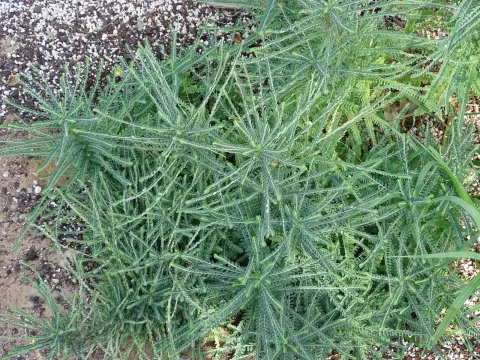
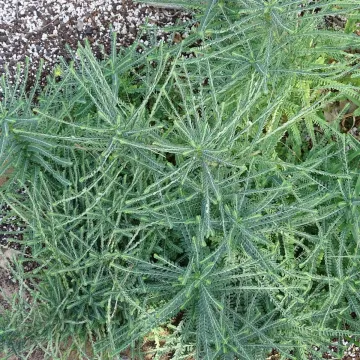
Botanically, the plant is characterized by its rounded, simple leaves and thin, branching stems that emerge from a central taproot. The root system is significantly deep, allowing for moisture extraction from lower soil horizons. The flowers are small, often inconspicuous, and monoecious, facilitating pollination in diverse environmental settings. The life cycle is typically completed within a single growing season.
Agronomically, the crop demands well-drained, sandy-loam soils with a slightly neutral pH profile. High solar radiation is a prerequisite for optimal growth and the production of desired secondary compounds. The management practices involve precise sowing dates to coincide with the onset of the growing season, while supplementary irrigation should be strictly controlled to prevent root saturation and fungal issues.
In terms of economic utility, Phyllanthus rotundifolius is primarily harvested for the medicinal industry. Extracts from the plant are studied for their potential in hepatoprotection, anti-inflammatory actions, and as organic biopesticides. Management of pests and diseases remains a key task:
- common pests: spider mites and aphids;
- disease prevention: avoiding excessive moisture to mitigate root rot;
- post-harvest: controlled drying methods to preserve chemical stability.
Photo gallery