Phyllanthus tenellus
Phyllanthus tenellus
Description
Phyllanthus tenellus is an annual herbaceous plant belonging to the Phyllanthaceae family. While often categorized as a weed in diverse ecosystems, it is increasingly recognized in agronomy as a specialized crop harvested for its significant pharmacological properties, specifically its rich concentration of phytochemicals used in traditional and modern medicine.
The native distribution of this species traces back to the tropical regions of Madagascar. Today, it has naturalized in many tropical and subtropical areas globally. As an agricultural commodity, it is cultivated under controlled conditions to ensure the production of consistent phytochemical profiles necessary for high-quality herbal extracts.
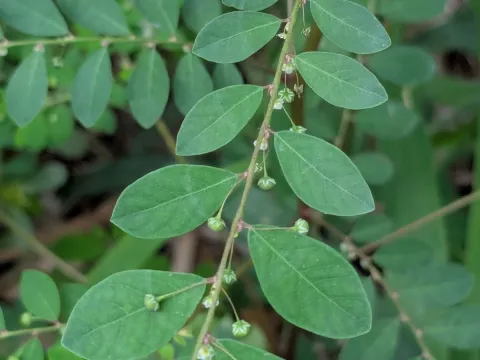
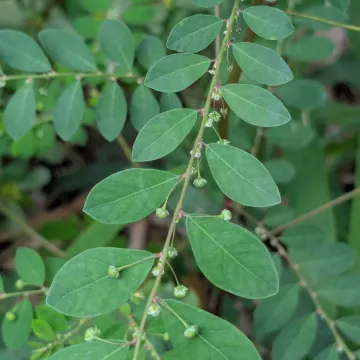
Botanically, the plant features an erect, branching stem with alternate leaves arranged in a pinnate pattern, giving it a fern-like appearance. The flowers are minuscule, greenish-yellow, and emerge from leaf axils. The fruit consists of small capsules that contain numerous tiny seeds, requiring precise harvesting techniques to minimize post-harvest losses and prevent uncontrolled seed dispersal.
Cultivation requirements necessitate a tropical climate with temperatures between 20°C and 30°C and high humidity. It thrives in well-drained, nutrient-rich soils with a slightly acidic profile. Effective agrotechnical management requires consistent irrigation schedules and moderate fertilization to support rapid biomass development during the vegetative stage.
The primary economic use of Phyllanthus tenellus lies in the pharmaceutical industry. Its extracts are documented for their hepatoprotective, antioxidant, and anti-inflammatory effects. Researchers are actively studying its potential for:
- Standardized production of liver-support supplements.
- Formulation of topical anti-inflammatory creams.
- Extraction of natural compounds for antimicrobial applications.
- Use in sustainable organic fertilizer research.
Disease management is critical, as the plant is susceptible to fungal issues like powdery mildew and root rot, particularly in poorly ventilated environments. Pest control programs typically focus on managing aphid populations and spider mites. Integrated Pest Management (IPM) practices, including proper crop spacing and the use of targeted biopesticides, are essential for maintaining sustainable yield levels in commercial production.
Photo gallery