Phyllanthus urinaria
Phyllanthus urinaria
Description
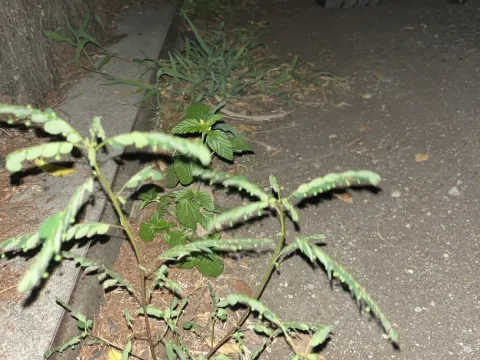
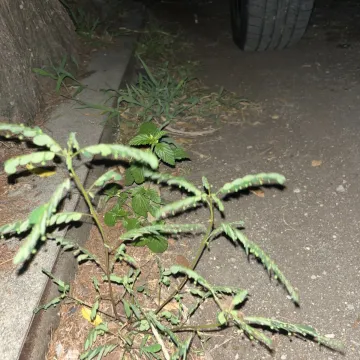
Phyllanthus urinaria is an annual herbaceous plant belonging to the Phyllanthaceae family. Widely recognized in traditional medicine, this crop is becoming increasingly important in modern pharmacological research due to its secondary metabolites, such as phyllanthin and hypophyllanthin. The plant typically reaches a height of 30 to 60 centimeters and is characterized by its distinct pinnate-like leaves that fold upon touch or at night.
Originating from the tropical regions of Asia, the plant has a wide distribution range across India, China, and Southeast Asia. It is well-adapted to warm and humid climates, making it a viable agricultural crop in tropical and subtropical zones. Its ability to colonize various soil types has contributed to its popularity among smallholder farmers who integrate it into their medicinal herb production systems.
Botanically, Phyllanthus urinaria is unique due to its specialized reproductive structure where flowers and fruits are found on the undersides of the branchlets. This specific architecture protects the developing seeds from heavy rainfall. The plant exhibits a rapid life cycle, typically reaching maturity within a few months, which allows for multiple harvest cycles in favorable climatic conditions.
Regarding cultivation requirements, the plant thrives in areas with high solar radiation and consistent temperatures ranging from 25°C to 35°C. It requires soil that is rich in organic matter and maintains excellent drainage, as waterlogging is detrimental to plant health. Field management involves preparing a fine seedbed and ensuring that soil pH remains slightly acidic to neutral to facilitate optimal nutrient uptake.
Key agronomic practices for successful production include the following:
- Proper irrigation management to maintain soil moisture without inducing root rot.
- Regular manual or mechanical weeding to reduce resource competition.
- Balanced application of NPK fertilizers to maximize leaf biomass, which is the primary harvestable part.
- Strategic timing of harvest to capture peak concentrations of medicinal compounds in the foliage.
Common phytosanitary challenges involve fungal pathogens such as rusts and damping-off diseases, which often occur in dense, poorly ventilated stands. Pests like aphids and spider mites are frequent threats that can significantly reduce leaf yield if left unchecked. Integrated pest management, focusing on early detection and the use of organic pest control methods, is highly recommended to maintain the medicinal quality of the harvested produce.
Photo gallery