Phyllanthus ussuriensis
Phyllanthus ussuriensis
Description
Phyllanthus ussuriensis is an annual herbaceous plant belonging to the Phyllanthaceae family. Unlike many of its tropical relatives within the genus Phyllanthus, this species has evolved to thrive in temperate climates, making it a subject of increasing interest for agricultural research and medicinal production.
Its natural range covers the Far East regions, specifically areas of Russia, Northeast China, and the Korean Peninsula. The plant is typically found in moist, sunny habitats such as riverbanks, floodplains, and gravelly deposits where the soil remains nutrient-rich and damp throughout the growing season.
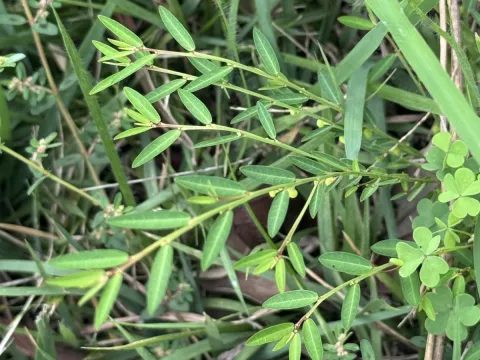
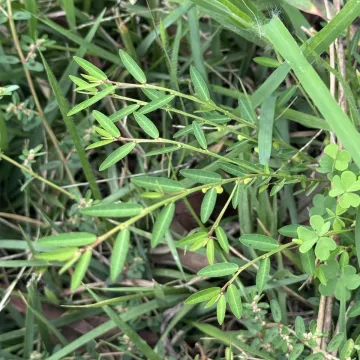
Botanically, the plant is characterized by a slender stem reaching up to 40 cm in height, adorned with distichous (two-ranked) leaves that give it a feather-like appearance. The flowers are small, monoecious, and axillary. The fruit is a dehiscent capsule which, upon ripening, releases seeds to ensure natural regeneration in the wild.
Cultivation requirements for Phyllanthus ussuriensis emphasize the need for fertile, moisture-retentive soils with a neutral pH. The plant is photophilous, requiring significant light exposure but protection from intense heat stress during seedling establishment. Irrigation management is critical, as the crop lacks drought tolerance and requires consistent soil moisture to achieve optimal biomass production.
The economic value of this crop is primarily driven by its pharmaceutical potential. The plant contains a complex array of lignans, flavonoids, and tannins that contribute to its recognized pharmacological properties. Key application areas include:
- Extraction of active compounds for hepatoprotective medications.
- Development of antioxidant dietary supplements and functional food ingredients.
- Research into antimicrobial agents for innovative drug formulations.
Regarding plant health, the crop is susceptible to common fungal pathogens such as Fusarium and various leaf spots, especially in conditions of poor air circulation and high humidity. Pest control requires monitoring for aphids and spider mites, which can cause significant damage during dry spells. Implementation of integrated pest management (IPM) practices and crop rotation is essential for sustaining high-quality yields in a commercial setting.
Photo gallery