Phyllis nobla
Phyllis nobla
Description
Phyllis nobla is a perennial evergreen subshrub belonging to the Rubiaceae family. While not a commercial staple crop, it is highly regarded in specialized horticulture and botanical collections due to its unique growth habit and origin.
The plant is native to the Canary Islands, thriving in subtropical maritime climates. Its natural habitat is characterized by mild temperatures and high humidity, which dictates its preference for sheltered, frost-free environments when grown in cultivation.
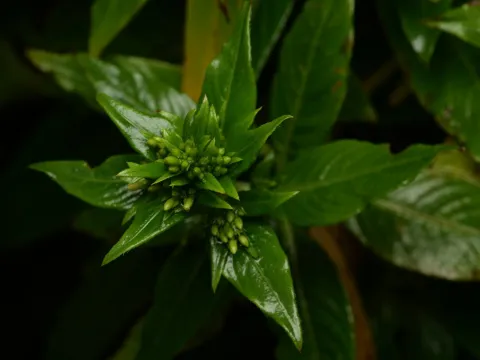
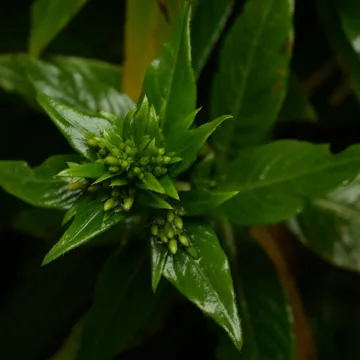
Botanically, Phyllis nobla exhibits woody basal stems and dense, evergreen foliage. The plant produces small, inconspicuous flowers clustered at the tips of the stems, contributing to a refined and subtle aesthetic. It typically forms a low, spreading shrub shape that is ideal for ground cover or architectural garden features.
Agricultural success depends on providing well-drained, fertile soil with a neutral pH. Proper water management is critical; the species is susceptible to root rot if soil remains waterlogged. In a controlled environment, it performs best in positions with partial shade and protection from harsh, direct afternoon sunlight.
Maintenance involves routine monitoring for common pests like aphids and spider mites, which can proliferate in warm, sheltered conditions. Disease management focuses on preventing fungal issues by ensuring good air circulation around the canopy and avoiding overhead watering that leaves the foliage wet for extended periods.
- Evergreen shrub architecture.
- Excellent drainage requirement.
- Subtropical climatic preference.
- Susceptibility to root rot.
Photo gallery