Phyllodoce intermedia
Phyllodoce intermedia
Description
Phyllodoce intermedia is a distinctive evergreen dwarf shrub belonging to the Ericaceae family. As a naturally occurring hybrid between Phyllodoce empetriformis and Phyllodoce glanduliflora, it combines the aesthetic charm of its parents with excellent cold hardiness, making it a valuable addition to northern gardens.
The plant originates from the high-altitude mountainous regions of North America. Its natural habitat is defined by rocky, well-drained soils and cool climates, which dictates its specific needs when cultivated in home gardens or specialized nurseries. It is widely prized by enthusiasts of alpine and woodland flora.
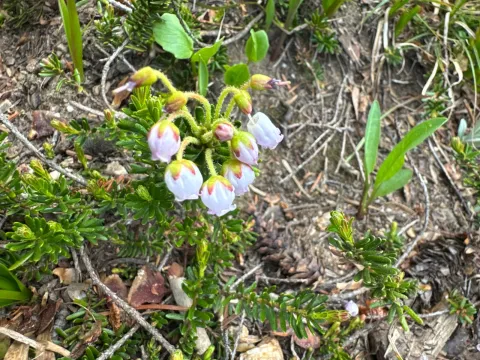
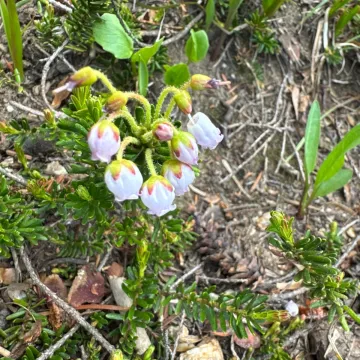
Botanically, this species is characterized by its low-growing, mat-forming habit and needle-like, leathery foliage. The plant produces delicate, bell-shaped flowers during the summer months, which often appear in clusters. Its slow growth rate makes it an ideal choice for rock gardens, trough plantings, and alpine borders where space is limited.
Successful cultivation of Phyllodoce intermedia relies on replicating its native ecological conditions. The shrub thrives in acidic, humus-rich, and free-draining soil. Providing a consistent supply of moisture is essential, as the plant does not tolerate drought. Site selection should focus on partial shade, protecting the foliage from intense afternoon sun.
In terms of management and pest control, this plant is generally resilient. The primary agricultural challenge involves maintaining soil acidity, often managed by applying acidic mulch like pine bark or peat moss. While rarely plagued by significant pests, the species can be susceptible to fungal issues if water-logged conditions persist. Proper drainage is the most critical factor in preventing root diseases and ensuring long-term vigor.
Photo gallery