Phymaspermum acerosum
Phymaspermum acerosum
Description
Phymaspermum acerosum is a perennial subshrub belonging to the Asteraceae family. Known for its distinct needle-like foliage, this plant is an excellent example of biological adaptation to arid environments. Within its natural ecosystem, it serves as a resilient component of the flora, thriving where other plants struggle to survive.
The origin of this species is traced back to the southern regions of Africa. Its natural habitat includes rocky slopes and arid plains, which explains its tolerance to drought and nutrient-poor soils. In agricultural and horticultural contexts, it is increasingly recognized for its sustainability and low-maintenance requirements in xeriscape projects.
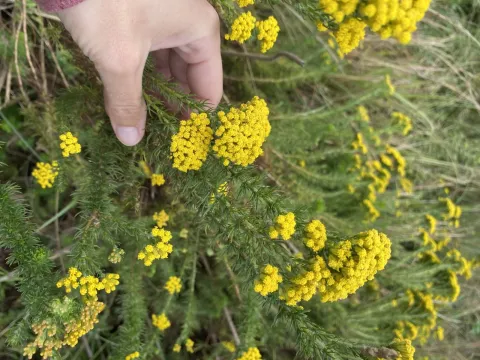
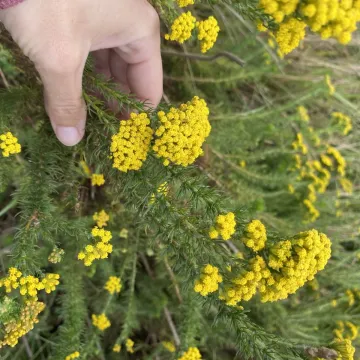
Botanically, the plant develops into a dense, compact shrub with woody stems. Its foliage is characterized by slender, stiff, needle-like leaves that are typically covered in fine trichomes to minimize transpiration. The plant produces small, yellow inflorescences in a capitulum form, providing a subtle but attractive visual display during its blooming season.
The agronomic requirements for growing this species focus on excellent soil drainage and high light intensity. It is not suitable for clay-heavy soils that retain moisture for extended periods, as this leads to root rot. Instead, it thrives in gritty, sandy soils with neutral to slightly acidic pH levels. Proper spatial planning is necessary to ensure each plant receives full sun exposure.
- Full sun exposure is critical for plant health.
- Exceptional drainage is required to prevent root rot.
- Minimal fertilization to avoid excessive vegetative growth.
- Occasional pruning is recommended to maintain shape.
The primary use of Phymaspermum acerosum is ornamental, specifically for dry garden designs and landscape restoration in arid zones. It is generally resistant to pests and diseases, but growers should be vigilant against aphids and fungal infections caused by humidity. Proper airflow and sunlight are the best preventative measures against common health issues in this species.
Photo gallery