Phymatolithon calcareum
Phymatolithon calcareum
Description
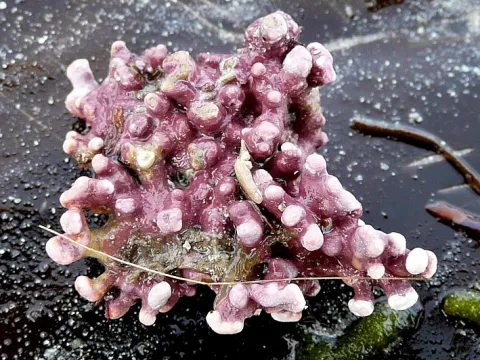
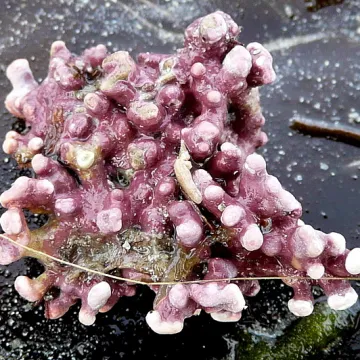
Phymatolithon calcareum is a species of red calcareous algae belonging to the Hapalidiaceae family. Unlike soft seaweeds, this organism is famous for its calcified thallus, which creates hard, reef-like structures. In the agricultural industry, the harvested product is widely marketed under the common name Lithothamnion.
The distribution of this species is centered in the cool, clear waters of the North Atlantic, particularly around the coasts of Ireland, Iceland, and France. It is not cultivated as a traditional land crop; instead, the dead or living calcified deposits are harvested from the seabed, making it a natural marine resource that requires careful ecological management.
Botanically, it is a slow-growing organism that builds up its structure over many years by absorbing minerals directly from seawater. This accumulation results in a mineral-rich material containing significant levels of calcium carbonate and magnesium, alongside trace elements such as iron, boron, and manganese, which are vital for plant and animal health.
In agricultural practice, Phymatolithon is highly valued as a superior alternative to standard limestone. Due to its porous, honeycomb-like microstructure, it possesses a high specific surface area, allowing it to dissolve and react more quickly in digestive systems or soil solutions, thereby increasing the efficiency of nutrient delivery.
Key areas of agricultural application include:
- Use as a high-bioavailability calcium supplement in livestock and poultry diets.
- Soil pH correction and stabilization in organic farming systems.
- Development of trace element fertilizers for professional horticulture.
- Improvement of soil microbial activity through the addition of essential marine minerals.
The primary threats to this resource are environmental. Ocean acidification and rising sea temperatures inhibit the calcification process, potentially reducing the quality and quantity of the harvest. There are no traditional agricultural pests or diseases to combat, but the sustainability of the harvest depends heavily on the health of the marine ecosystem where the algae thrives.
Photo gallery