Sharp-leaf groundcherry
Physalis acutifolia
Description
Sharp-leaf groundcherry (Physalis acutifolia) is an annual herbaceous plant belonging to the Solanaceae family. It is a distinct species within the genus Physalis, known for its specific ecological niche and unique morphological adaptations that distinguish it from its culinary relatives like the tomatillo or cape gooseberry.
The plant originates from the arid regions of the southwestern United States and Mexico. Its natural habitat includes open fields, riverbeds, and disturbed lands. This historical adaptation to dry environments provides valuable genetic insights into drought tolerance, which is increasingly relevant for modern agricultural research.
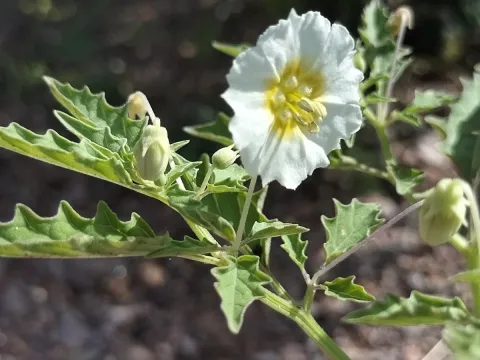
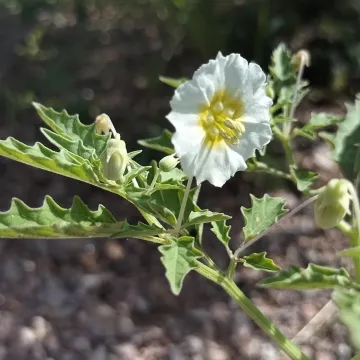
Botanically, Physalis acutifolia is identified by its sharp-tipped, lanceolate leaves and the characteristic papery husk (calyx) that encloses the berry. The plant usually exhibits an upright growth habit, although it can sprawl if not managed properly. The flowers are typically yellow, often with dark spots in the center, which is a common trait among many species of the genus.
For successful cultivation, the plant requires well-drained, sandy-loam soils and full sun exposure. It is highly sensitive to frost; therefore, it should be treated as a warm-season crop. Proper spacing is essential to ensure adequate airflow, which helps prevent the buildup of humidity around the foliage and reduces the risk of fungal infections.
The agricultural and economic utility of the plant includes:
- Breeding programs focused on developing drought-resistant Physalis varieties.
- Potential medicinal research due to the presence of specific secondary metabolites.
- Educational and experimental use in sustainable agriculture projects.
Pest and disease management for Physalis acutifolia largely follows the protocols used for other solanaceous crops. Growers must watch for signs of late blight, leaf spot, and common pests like aphids or whiteflies. Implementing integrated pest management (IPM) strategies, such as crop rotation and the use of beneficial insects, is strongly recommended to maintain healthy plant populations.
Photo gallery