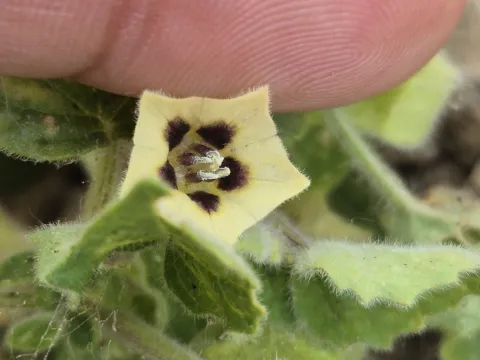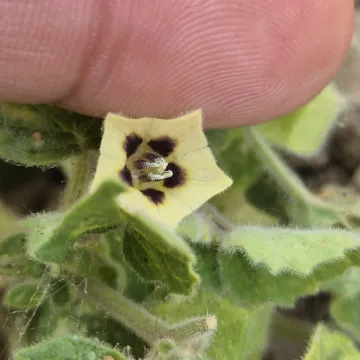
Florida groundcherry
Physalis floridana
Description
Florida groundcherry (Physalis floridana) is a botanical species belonging to the Solanaceae (nightshade) family. This annual herbaceous plant is closely related to crops like tomatoes and tomatillos, sharing similar growth patterns and reproductive biology while maintaining distinct characteristics related to its berry structure and environmental requirements.
The plant originates from the southeastern regions of the United States, specifically Florida and surrounding areas. Over time, it has been recognized for its adaptability to various warm-temperate climates. It thrives in open, sunny environments and is typically found in well-drained, fertile soils, which remain fundamental requirements for its successful commercial or domestic cultivation.
Botanically, the plant presents as an herbaceous bush with spreading stems and distinctive cordate leaves. A hallmark feature is the calyx, which envelops the developing fruit completely. This protective structure serves as a natural barrier against insects and environmental stressors. The berries inside usually transition from a pale green to a ripe yellow or orange hue as they reach maturity.
Effective agrotechnical management for this crop involves early indoor seeding followed by transplantation after the risk of frost has passed. Soil health is critical, as the crop prefers a slightly acidic to neutral pH. Proper spacing is essential to ensure adequate airflow, which is a key factor in preventing the development of fungal infections throughout the growing season.
- Agricultural uses: culinary processing, medicinal extract research, and ornamental use.
- Common pests: aphids, whiteflies, and potato beetles.
- Prevalent diseases: early blight, late blight, and various viral mosaic strains.
In terms of agricultural and economic value, Florida groundcherry is appreciated for its versatile culinary properties. The fruits are often processed into jams, sauces, and confectionery products due to their high pectin and vitamin content. Moreover, due to its unique genetic profile, the plant remains a subject of ongoing research in agricultural science regarding pest resistance and nutrient density.
Photo gallery