Clammy groundcherry
Physalis heterophylla
Description
Clammy groundcherry (Physalis heterophylla) is a perennial herbaceous plant belonging to the Solanaceae family. This species is easily recognized by the dense, sticky glandular hairs covering its stems and foliage, which explains its common name. As a member of the nightshade family, it shares many structural similarities with tomatoes and potatoes, though it possesses unique physiological traits that aid in its survival.
The plant is native to North America, flourishing across diverse habitats ranging from open prairies to cultivated fields and roadsides. Its natural resilience has made it a subject of interest for agronomists looking for hardy crops capable of thriving in varied soil types, particularly sandy or loamy environments where other horticultural crops might struggle.
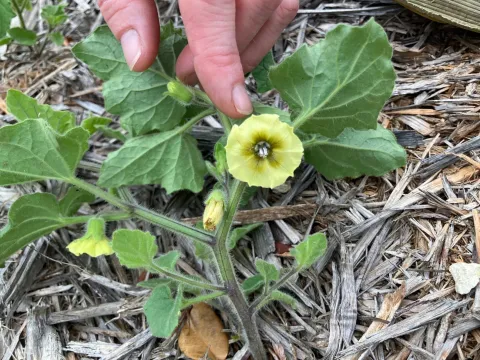
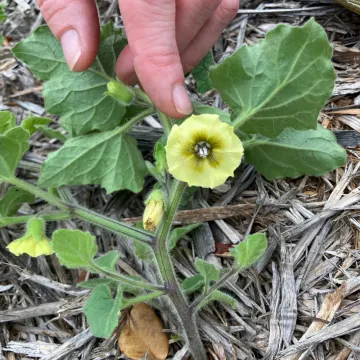
Botanically, the plant develops an extensive rhizomatous root system, which allows for aggressive colonization of space. The leaves are typically serrated and vary in size, while the flowers are yellow with darker centers, characteristic of the genus. The fruits are yellow to orange berries enclosed within an inflated, papery calyx that persists until the fruit matures and falls to the ground.
Cultivation requires well-drained soil and full sun exposure to ensure proper fruit maturation. It is relatively drought-tolerant, which makes it suitable for regions with limited rainfall, provided the plant is established well. Standard agronomic practices involve maintaining clean rows and providing sufficient spacing, as the plants can spread rapidly via rhizomes if not managed appropriately.
The economic value of this crop is multifaceted. The fruits are edible, often used in jams, jellies, or fresh salads, known for their unique sweet-tart flavor profile. From a phytosanitary perspective, growers must watch for common solanaceous pests such as potato beetles and aphids. Proper crop rotation is essential to mitigate the buildup of soil-borne pathogens like verticillium wilt.
Photo gallery