Unknown Physalis
Physalis ignota
Description
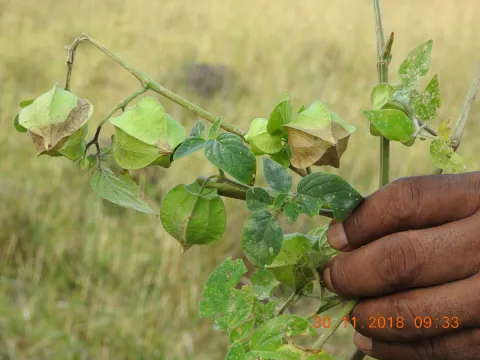
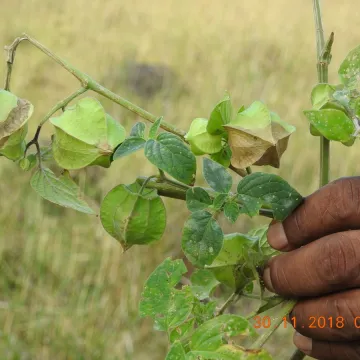
Physalis ignota, commonly referred to as the unknown physalis, is an intriguing agricultural crop belonging to the Solanaceae family. It shares typical physiological characteristics with its more common relatives, such as the tomato and tomatillo, including the unique papery husk that envelops the fruit as it matures. This species has garnered interest among researchers and small-scale farmers for its resilience and unique biochemical composition, making it a subject of increasing agronomic study.
The plant originates from the diverse ecosystems of Central and South America. Historically, it was cultivated by indigenous populations, which helped preserve its genetic diversity. Currently, its cultivation area is expanding as agricultural practices improve and demand for rare, high-value solanaceous crops grows. It thrives best in regions with sufficient solar radiation and moderate to warm temperatures, often requiring controlled environments in cooler climates to reach full maturity.
Botanically, Physalis ignota is recognized by its spreading habit and heart-shaped, slightly pubescent foliage. The flowers are typically self-pollinating, appearing in the leaf axils. The fruit itself is a berry, fully encased within a calyx that protects it from pests and environmental stress. The plant requires a well-structured soil with high organic matter content to support its vigorous root development and sustained production throughout the growing season.
Successful management of this crop involves several key agricultural practices:
- Starting seeds indoors 6 to 8 weeks before the last frost date.
- Transplanting into well-drained, fertile soil with full sun exposure.
- Maintaining consistent soil moisture, especially during fruit set.
- Applying mulching techniques to conserve soil water and suppress weeds.
Regarding its utility, the fruits of Physalis ignota are appreciated for their culinary versatility, often used in sauces, salads, and jams due to their balanced flavor profile. Beyond culinary uses, the plant is studied for its potential in producing natural compounds of interest. However, growers must be vigilant against pests like aphids and whiteflies, and diseases such as late blight, which can significantly affect yield if not managed through rigorous scouting and integrated pest management programs.
Photo gallery