Long-leaf groundcherry
Physalis macrophysa
Description
Long-leaf groundcherry (Physalis macrophysa) is a herbaceous perennial plant that belongs to the Solanaceae family. Like other members of the genus, it is defined by its unique fruit structure, where a berry is enclosed within a papery, inflated calyx. This structure serves as a natural protective mechanism for the developing fruit against environmental stressors and pests.
Native to North America, the species thrives in various open habitats, including prairies and forest edges. Its range has expanded through agricultural interest, as it is valued for its resilience in temperate climate zones. It is a hardy plant capable of enduring diverse soil conditions, provided that basic drainage and sunlight requirements are adequately met during the growing season.
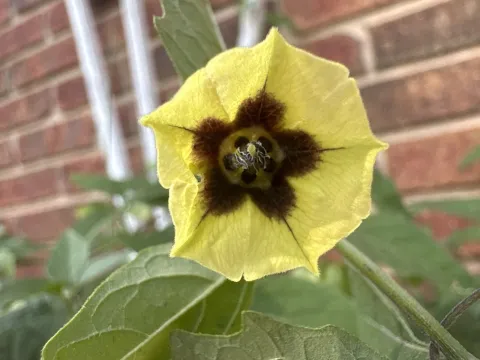
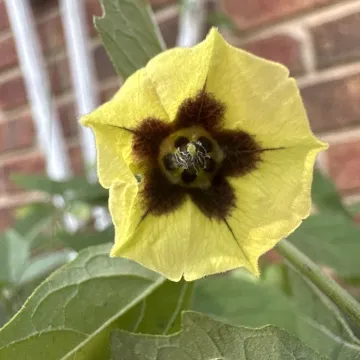
Botanically, Physalis macrophysa is characterized by its sprawling stems and simple, alternate leaves. The flowers are typically solitary and bell-shaped, emerging from the leaf axils. The most distinctive feature is the rapid growth of the calyx post-fertilization, which encapsulates the fruit. As the fruit reaches physiological maturity, the calyx dries and turns a papery texture, often changing color to signify readiness for harvest.
The agronomic management of this crop involves planting in well-drained, fertile soil with optimal exposure to sunlight. Growers should ensure consistent moisture levels during the flowering and fruit-setting stages, while preventing waterlogging, which can be detrimental to the root system. Periodic weeding and the application of balanced fertilizers are recommended to maximize yield and plant health throughout the season.
The economic and agricultural utility of the long-leaf groundcherry includes:
- Culinary applications in processing, such as preserves, jams, and savory salsas;
- Botanical research due to its secondary metabolite production;
- Landscape and floral design for ornamental, dried-flower arrangements.
Common agricultural challenges involve susceptibility to pests and diseases characteristic of the Solanaceae family, such as late blight and various fungal pathogens. Insect pests like flea beetles and aphids can also affect growth. To mitigate these risks, farmers often employ integrated pest management (IPM) strategies, including crop rotation and the use of resistant varieties, to maintain high levels of production and crop quality.
Photo gallery