Physalis mendocina
Physalis mendocina
Description
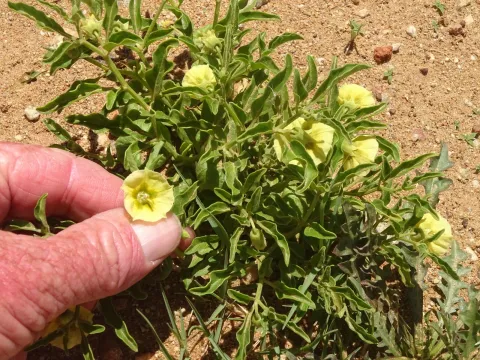
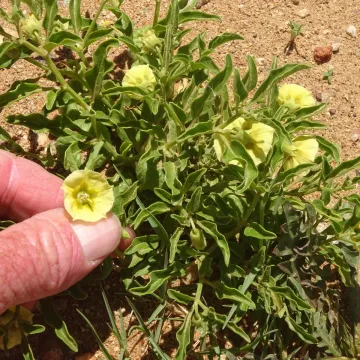
Physalis mendocina is a distinct member of the Solanaceae family, known for its adaptation to harsh, arid environments. As a perennial or annual herb depending on the climate, it exhibits the typical features of the genus Physalis, including the distinctive fruit encased in a papery calyx that expands as the berry matures.
The plant originates from the dry regions of Argentina, specifically the arid lands of the Mendoza province, which gives the species its name. It has evolved to thrive in soils with low organic content and limited water availability. This natural habitat has equipped the plant with high tolerance to environmental stress, making it an interesting subject for botanical research and agricultural exploration.
Botanically, Physalis mendocina features leaves and stems covered in fine hairs that help reduce moisture loss through transpiration. The plant maintains a compact habit, which is an advantageous trait for surviving wind and high solar exposure in its native desert environment. The root system is robust, allowing the plant to exploit deep moisture reservoirs during periods of drought.
Regarding cultivation, this species requires well-drained soils and full sun exposure to thrive. Unlike common vegetables, it does not respond well to heavy fertilization, which can stimulate excessive foliage growth rather than fruit production. Watering should be infrequent but deep, simulating the irregular precipitation patterns of its native range to prevent root rot in poorly aerated soils.
While not a major commercial crop, it is valued in local contexts and by botanists as a genetic resource for breeding programs aiming to improve the drought resistance of other related Solanaceous crops. The species is susceptible to various pests and diseases that affect nightshades, requiring careful monitoring to ensure healthy development:
- Fungal diseases such as powdery mildew in humid conditions;
- Root-knot nematodes in light, sandy soils;
- Aphid infestations that can transmit viral diseases;
- Beetles that feed on leaf tissue during the active growth phase.
Photo gallery