Physalis nicandroides
Physalis nicandroides
Description
Physalis nicandroides is an annual agricultural crop belonging to the Solanaceae family. As a member of the diverse Physalis genus, this plant is characterized by its specific growth habits and unique physiological traits that distinguish it from the more commonly cultivated tomatillo or goldenberry. It represents a niche but scientifically interesting crop for modern vegetable producers.
The plant originates from Central and South America, regions where it adapted to diverse environmental conditions. Its primary distribution area includes warm temperate and tropical zones where it thrives in open landscapes. Due to its specific requirements for photoperiod and heat, its cultivation is currently focused on research plots and specialized horticultural collections across various global regions.
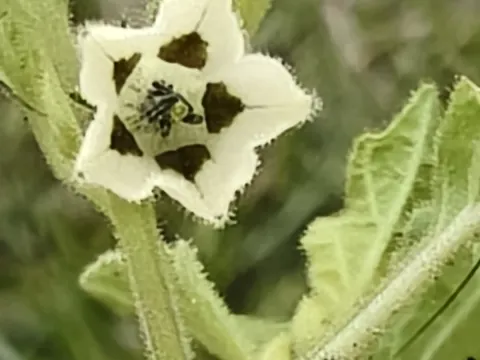
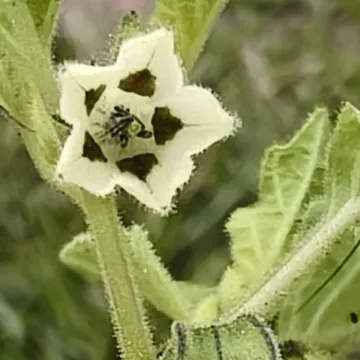
Botanically, Physalis nicandroides is a robust herbaceous plant with extensive branching and broad foliage. Its reproductive structure involves distinctive bell-shaped flowers that develop into fruit enclosed within a papery husk, a hallmark feature of the genus. This husk provides significant protection for the fruit against environmental stressors and pests during the maturation process.
Cultivation requires specific agronomic practices to ensure a high yield. The plant is heat-demanding and typically requires a long growing season, making greenhouse or indoor seed starting necessary in cooler climates. It prefers well-drained, nutrient-rich soil with a neutral pH. Proper soil management, including the application of organic fertilizers and mulch to regulate temperature, is critical for optimal root development.
The crop's primary use is in plant breeding, botanical research, and small-scale specialized agriculture. Like other nightshades, it is susceptible to several pathogens and pests. Effective management strategies focus on preventing:
- Late blight (Phytophthora) during periods of high humidity.
- Colorado potato beetle infestations.
- Aphid colonies, which serve as vectors for various plant viruses.
- Root rot caused by poor soil drainage.
Photo gallery