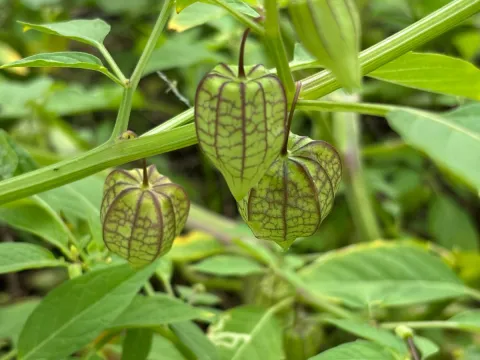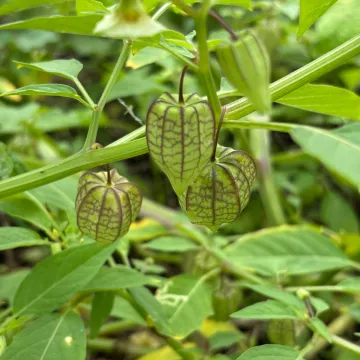
Physalis pendula
Physalis pendula
Description
Physalis pendula is an interesting annual herbaceous plant that belongs to the Solanaceae family. This species, while sharing close kinship with widely cultivated crops like tomatoes and peppers, possesses unique morphological characteristics, most notably the inflated calyx that envelopes its fruit. Its cultivation is popular among gardeners interested in diverse agricultural produce and specialty garden plants.
Originating from the American continents, the species has been introduced to various temperate and tropical zones across the globe. It is highly adapted to sunny environments with sufficient rainfall. In colder climates, growers typically start seeds indoors or in greenhouses to ensure a longer growing season, as the plant requires significant cumulative heat to reach the stage of fruit maturation.
Botanically, the plant develops into a branching shrub that can reach significant heights under optimal conditions. The leaves are typically ovate and alternate, while the flowers are small and often pale or yellowish. The most distinct trait of Physalis pendula is the downward-facing (pendulous) fruit, which provides both a structural distinction and a specific visual identifier during the harvest period.
Agronomic requirements are focused on providing well-draining, nutrient-rich soil with a slightly acidic to neutral pH. The plant performs best in locations where it can receive direct sunlight for the majority of the day. Consistent irrigation is necessary during the establishment phase, though mature plants show moderate resilience to transient drought. Proper spacing between plants is crucial for air circulation to prevent fungal growth.
- Thrives in well-drained loamy soil types.
- Responds well to organic compost applications.
- Requires consistent moisture, especially during fruit set.
- Sensitive to heavy frosts which end the growth cycle.
Economically, Physalis pendula is utilized primarily for its edible berries, which are processed into jams, sauces, and culinary additions. Like other Solanaceae, it is susceptible to pests such as aphids and Colorado potato beetles, as well as fungal issues like late blight. Proper pest management involves a combination of mechanical control and sustainable agricultural practices to maintain crop health throughout the season.
Photo gallery