Virginia groundcherry
Physalis virginiana
Description
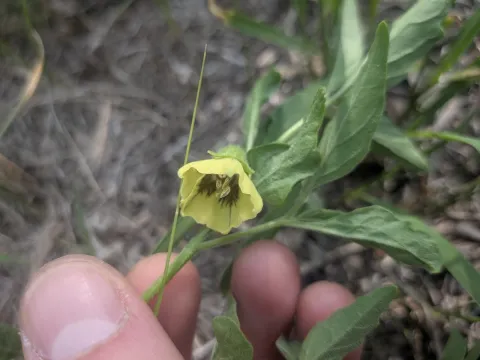
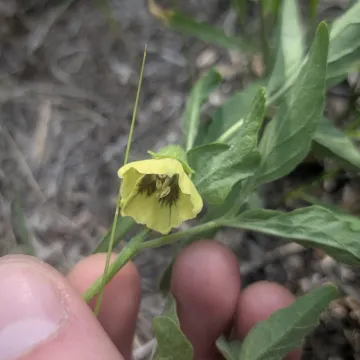
Virginia groundcherry (Physalis virginiana) is a perennial herbaceous plant belonging to the Solanaceae family. It is a distinctive member of the genus Physalis, characterized by its resilient growth habit and ability to adapt to diverse ecological conditions within its native North American range.
The species is indigenous to North America, where it historically occupies varied habitats including prairies, open woods, and disturbed grounds. Its natural distribution demonstrates a high tolerance for varying temperatures, making it a robust specimen within its range, often thriving where other cultivated crops struggle.
Botanically, it typically grows between 40 to 80 centimeters in height. The foliage consists of alternate, ovate leaves with coarsely dentate margins. The fruit is a small, yellowish-orange berry enclosed within a persistent, papery calyx that inflates as the fruit matures, providing physical protection against environmental stressors.
Agronomic requirements prioritize full sun exposure and well-drained, sandy-loam soils. While it exhibits drought tolerance once established, irrigation during the early development stages is crucial for optimal yield. Proper spacing is required to ensure sufficient airflow, which helps mitigate the risk of fungal proliferation in the foliage.
The culinary utility of the fruit includes processing into preserves, marmalades, and savory additions. As with other members of the Solanaceae family, growers must remain vigilant regarding pests such as the Colorado potato beetle and flea beetles, along with common plant pathogens like tobacco mosaic virus or powdery mildew, which require integrated pest management strategies.
Photo gallery