Double bladderpod
Physaria didymocarpa
Description
Double bladderpod (lat. Physaria didymocarpa) is a herbaceous perennial plant belonging to the Brassicaceae family. This species has gained significant attention in modern agronomy as a potential industrial crop, primarily cultivated for the specialized chemical properties of its seed oil, which is rich in hydroxy fatty acids.
The plant is native to the western regions of North America, where it typically inhabits rocky slopes, gravelly soils, and semi-arid plains. Having evolved in harsh, resource-limited environments, the species demonstrates remarkable physiological resilience, including high drought tolerance and the ability to thrive in soils that are often unsuitable for conventional cereal or oilseed production.
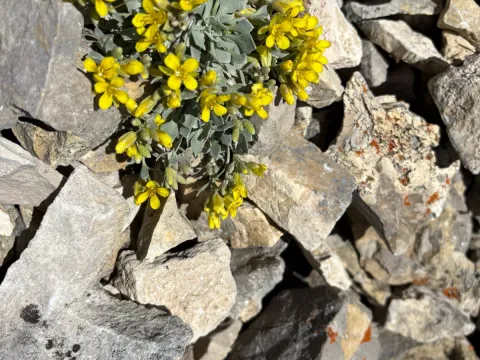
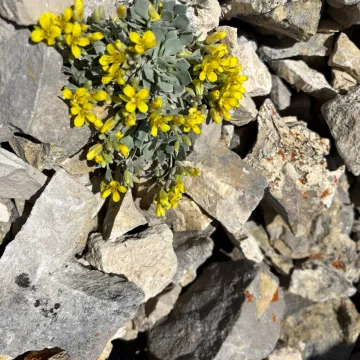
Botanically, Physaria didymocarpa is characterized by a low-growing basal rosette of leaves and distinctive yellow flowers. Its reproductive organs produce unique, two-lobed pods—hence the name "bladderpod." The seeds contain significant concentrations of oil, making them a subject of interest for the production of bio-lubricants, polymers, and other industrial chemical derivatives.
Cultivation requirements for this crop focus heavily on soil structure. Because it is prone to root rot in waterlogged environments, well-drained, porous, and aerated soils are essential. Farmers should prioritize neutral to slightly alkaline pH levels and ensure that weed management is handled during the establishment phase, as the young seedlings are sensitive to competition from aggressive weeds.
From a pest management perspective, the crop shares vulnerabilities with other members of the cabbage family. Producers should monitor for:
- Flea beetles
- Cabbage seedpod weevils
- Aphid infestations
- Fungal pathogens caused by poor drainage
Photo gallery