Rampion
Phyteuma ovatum
Description
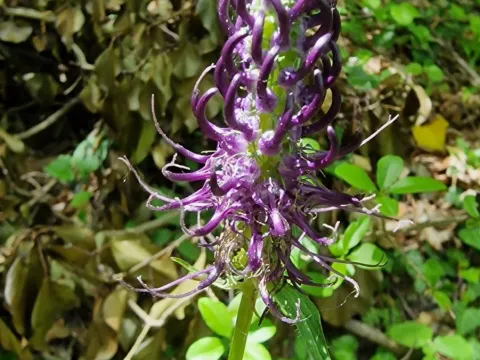
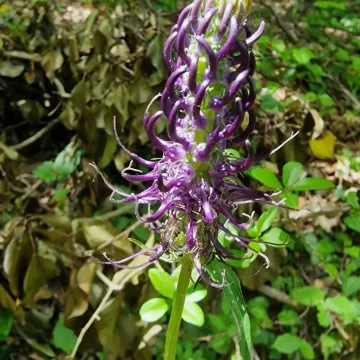
Rampion (Phyteuma ovatum) is a perennial herbaceous plant belonging to the family Campanulaceae. Known for its striking, dense, dark-blue or purple flower heads, it is an esteemed species in specialized horticulture, particularly among collectors of mountain flora and alpine garden enthusiasts.
Originating from the mountainous regions of Europe, the species is naturally adapted to subalpine meadows and forested mountain slopes. Its distribution covers large parts of the Alps and the Carpathians, where it thrives in environments that provide consistent moisture and moderate temperatures, avoiding extreme heat.
Botanically, the plant develops an upright stem, usually reaching heights of 60 to 80 centimeters. Its foliage is characterized by oval or lanceolate leaves that form a base rosette. The root system is robust and deep, which facilitates long-term survival in varied, often nutrient-poor, rocky soil conditions found in its native habitat.
Successful cultivation requires a location that mimics its natural environment, specifically utilizing well-draining, humus-rich soil. While the plant can tolerate full sun in cooler regions, it generally performs best in partial shade. Irrigation management is critical; the soil must remain moist, yet excessive water accumulation around the roots should be avoided.
The primary use of Phyteuma ovatum is in ornamental gardening, particularly in rock gardens or naturalistic perennial borders. Common pests include slugs and snails, which may target the young foliage in spring. Preventing root rot is the most essential aspect of care, often achieved through proper site selection and soil amendments.
Photo gallery