Pyrenean rampion
Phyteuma pyrenaicum
Description
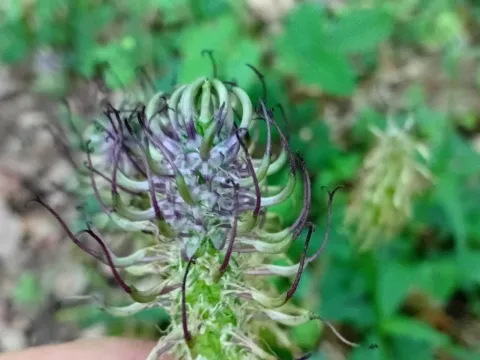
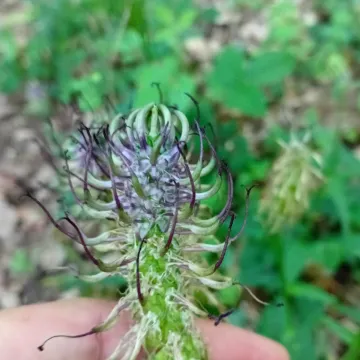
The Pyrenean rampion (Phyteuma pyrenaicum) is a perennial herbaceous plant belonging to the Campanulaceae (bellflower) family. This species is highly valued in specialty horticulture for its distinct inflorescences, which feature dense, head-like clusters of tubular, violet-blue flowers that stand out during the summer months.
Originating from the mountainous regions of the Pyrenees and parts of Southern Europe, this plant is naturally adapted to subalpine meadows and rocky outcrops. This historical adaptation influences its modern agricultural requirements, necessitating well-drained soil and adequate exposure to sunlight to thrive in a cultivated environment.
Botanically, the plant is characterized by a basal rosette of lanceolate foliage and a singular, upright flowering stem reaching 40–50 cm in height. The root system is relatively delicate, requiring careful site selection to avoid damage. The plant's structure supports a balanced development, making it an excellent candidate for temperate garden landscapes.
Successful cultivation requires a neutral or slightly acidic soil with excellent drainage. In terms of agronomy, maintaining the right moisture balance is critical; while the plant requires consistent hydration, it is highly susceptible to root rot if waterlogging occurs. Providing a gravel mulch can help prevent moisture-related diseases and protects the plant from overheating during peak summer temperatures.
The primary use of Phyteuma pyrenaicum is ornamental, specifically in rock gardens, borders, and alpine-style landscaping. Growers should monitor for common garden pests, such as slugs and snails, which target young foliage. Furthermore, implementing proper aeration and avoiding overcrowding in planting schemes are essential preventive measures against typical fungal infections.
Photo gallery