Scheuchzer's rampion
Phyteuma scheuchzeri
Description
Scheuchzer's rampion (Phyteuma scheuchzeri) is a herbaceous perennial flowering plant belonging to the Campanulaceae family. It is recognized as a specialty crop in ornamental horticulture, valued for its unique structural appeal and ability to thrive in specialized garden environments like rockeries and scree beds.
Native to the mountains of Central and Southern Europe, particularly the Alps, this species is well-adapted to high-altitude climates. In cultivation, it requires conditions that mimic its wild habitat: cool, well-ventilated areas with ample sunlight and excellent drainage, preventing the physiological stress caused by waterlogging.
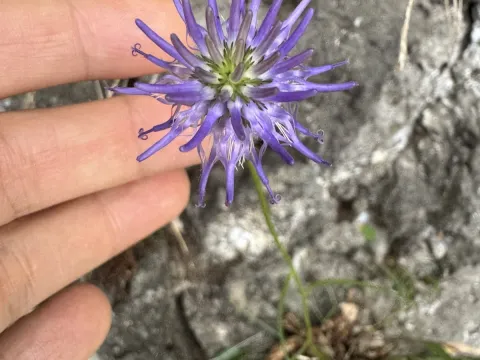
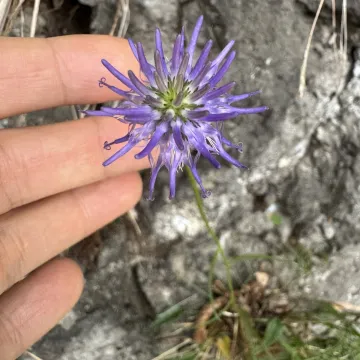
Botanically, the plant is characterized by a basal rosette of narrow, serrated leaves and striking globular flower heads. These heads are composed of many small, spiky blue-violet florets, which are highly attractive to pollinators. The plant typically reaches a height of 20 to 30 centimeters and maintains a compact, tidy growth habit throughout the season.
Agronomic requirements are focused on soil composition and water management. It thrives in gritty, alkaline, or neutral soils. Unlike many other agricultural crops, it requires minimal fertilization, as high nutrient levels often lead to leggy, weak stems. During the active growth phase, moisture should be consistent but not excessive, ensuring the root system remains aerated.
The primary use of the plant is in landscaping and rock garden design. Cultivators should be aware of specific health issues, including the risk of fungal infections like root rot if the drainage is insufficient. Common pests include gastropods such as slugs and snails, which can cause significant damage to the foliage; therefore, monitoring and physical barriers are often necessary for effective crop protection.
Photo gallery