Phyteuma serratum
Phyteuma serratum
Description
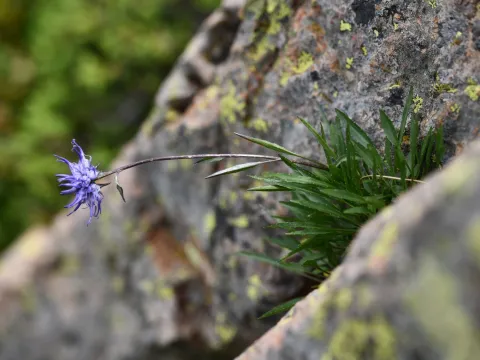
Phyteuma serratum, commonly known as a type of rampion, is a perennial herb belonging to the Campanulaceae family. It is recognized for its unique, dense flower heads that distinguish it from other members of the genus. While not a primary agricultural crop, it is highly valued by horticulturists and specialists in alpine flora for its ornamental qualities.
The plant originates from mountainous regions, specifically the Pyrenees, where it thrives in rocky crevices and subalpine grasslands. Its natural distribution suggests an evolutionary adaptation to cool climates, high light intensity, and well-drained, nutrient-poor soils. Understanding this origin is critical for successful cultivation in non-native environments.
Botanically, Phyteuma serratum is defined by its basal rosette of serrated leaves, which gives the species its scientific name. The flowering stems are typically erect, supporting spherical or capitate inflorescences composed of numerous small, blue-violet florets. Its root system is fibrous and hardy, allowing it to anchor securely in shallow, rocky substrate.
Cultivation requires specific attention to soil conditions: the primary necessity is excellent drainage to prevent crown rot. The plant prefers neutral to slightly acidic soils and flourishes in full sun or light shade. Irrigation should be moderate, mimicking the moisture regime of its mountain habitat rather than the constant humidity of low-lying agricultural fields.
In terms of usage, the plant serves primarily as a decorative specimen for rock gardens and borders. It faces few agricultural pests, though common garden threats such as aphids or slugs can occur in high-density plantings. Diseases like root rot are almost exclusively associated with improper drainage management, making site preparation the most important factor in the plant's health.
Photo gallery