Sieber's Rampion
Phyteuma sieberi
Description
Sieber's Rampion (lat. Phyteuma sieberi) is a perennial herb belonging to the Campanulaceae family. Within the horticultural sector, it is recognized as a specialty crop, particularly favored for rock gardens and alpine collections due to its distinct botanical structure and its origins in high-altitude environments.
The plant is native to the Eastern Alps, where it naturally occurs in rocky, calciferous habitats at high altitudes. This evolutionary background makes the species highly resistant to harsh weather conditions, including strong winds and significant temperature fluctuations, typical of alpine ecosystems.
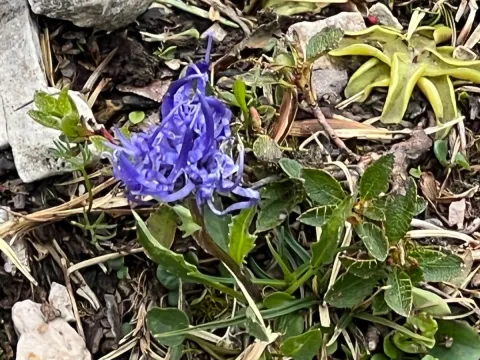
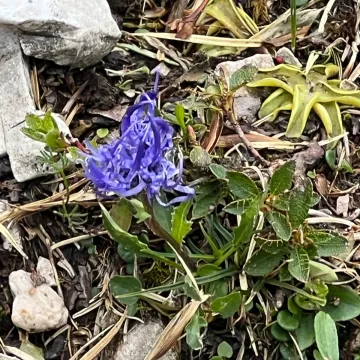
Botanically, it features a rosette of serrated, leathery leaves and upright flowering stems. The most striking characteristic is its spherical flower head, which consists of numerous deep blue to violet tubular flowers. This unique floral structure contributes significantly to the plant's ornamental appeal in specialized garden designs.
Cultivation requirements for this species are demanding, focusing heavily on soil composition and drainage. It requires well-drained, alkaline, mineral-rich soils. Excessive organic content should be avoided to prevent root rot, which is the primary cause of failure in agricultural and garden settings. Providing a cool, aerated root environment is essential for long-term survival.
- Requires full sun to partial shade for optimal growth.
- Essential to use gravel or stone chippings for root zone protection.
- Substrate should be gritty, alkaline, and low in fertility.
- Avoid overwatering during the dormancy period to prevent root decay.
- Frequent monitoring is required to ensure proper drainage efficiency.
The primary use of Sieber's Rampion is in landscaping, specifically for alpine garden displays and botanical collections. Pathogens that commonly affect this crop include soil-borne fungal diseases, often resulting from poor drainage. Common pests include slugs and snails, which can cause severe foliage damage, necessitating protective measures during the early spring growth phase.
Photo gallery