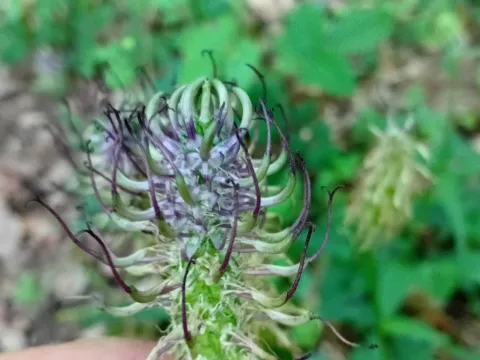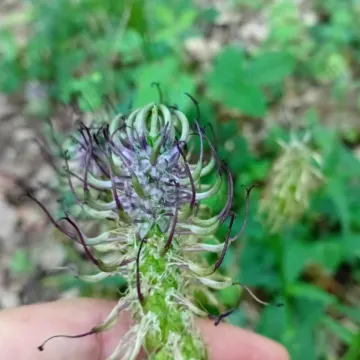
Spiked rampion
Phyteuma spicatum
Description
The spiked rampion (Phyteuma spicatum) is a perennial herbaceous plant belonging to the Campanulaceae family. While often categorized as a wild species, it is recognized in agricultural and horticultural circles for its ornamental value and its adaptability to various temperate climatic conditions.
Originating from the woodlands and meadows of Central and Western Europe, this plant has spread through human intervention into cultivated landscapes. It thrives in regions with mild winters and cool, moist summers, making it a reliable species for growers looking for shade-tolerant perennial crops to integrate into mixed farming systems.
From a botanical standpoint, the spiked rampion is distinguished by its fleshy, tuberous root system and its distinct spiked inflorescence. The flowers vary in color from creamy white to yellowish, arranged in dense, elongated clusters at the apex of the stem. The plant produces a rich basal rosette of foliage that persists throughout the growing season.
Cultivation requires specific conditions to ensure healthy growth. Ideally, the soil should be moist, fertile, and well-drained, mirroring its natural forest-edge habitat. In an agricultural setting, maintaining consistent soil moisture and providing partial shade is essential to prevent physiological stress, especially during the peak of summer when the plant is preparing for its reproductive phase.
The crop's primary areas of utilization include:
- Landscape architecture, specifically for establishing ground cover in shady garden areas.
- Apiculture, as the nectar-rich flowers provide forage for various pollinators.
- Potential use as a specialty crop in niche culinary markets where young stems and roots are utilized.
Regarding plant health, the spiked rampion is generally robust and requires minimal chemical intervention. However, growers should be vigilant against pests like slugs and snails that favor the succulent leaves. Providing adequate spacing and ensuring good airflow is the best preventive measure against common fungal infections, such as root rot or mildews, which can occur in overly humid conditions.
Photo gallery